Wholesale Shock: Why a 300% Price Spike is Coming for Your Con Ed Bill

Ever wonder why your Con Ed bill seems to climb every year, even when you're using the same amount of electricity? If so, you're not alone. Most Hudson Valley and Westchester homeowners see the total at the bottom of their monthly statement and feel the sting, but few understand the invisible market forces quietly driving those numbers higher.
That's where wholesale electricity prices come in. These are the rates utilities pay to purchase power from generators before delivering it to your home. And here's the kicker: when wholesale prices spike, sometimes by 200% or 300% during periods of high demand or fuel shortages, those costs eventually trickle down to you through something called "supply charges" on your bill.
In this post, we'll explore how wholesale electricity markets actually work, why New York is particularly vulnerable to price shocks, and what Hudson Valley homeowners can do to buffer themselves against the next surge. Because while Con Ed's approved 2026 rate increase sits at a "modest" 3.5%, the wholesale market underneath is anything but stable.
What Are Wholesale Electricity Prices, Anyway?
Think of wholesale electricity like the stock market, but for power. Utilities like Con Edison don't generate all their own electricity. Instead, they buy it from various power plants, renewable facilities, and regional grid operators through competitive markets. The price fluctuates constantly based on supply, demand, fuel costs, weather, and even geopolitical events.
When demand spikes, say, during a summer heat wave when everyone cranks their AC, wholesale prices can skyrocket. During certain peak hours, wholesale electricity in New York has jumped from $30 per megawatt-hour to over $300 per megawatt-hour. That's a 900% increase in a matter of hours.
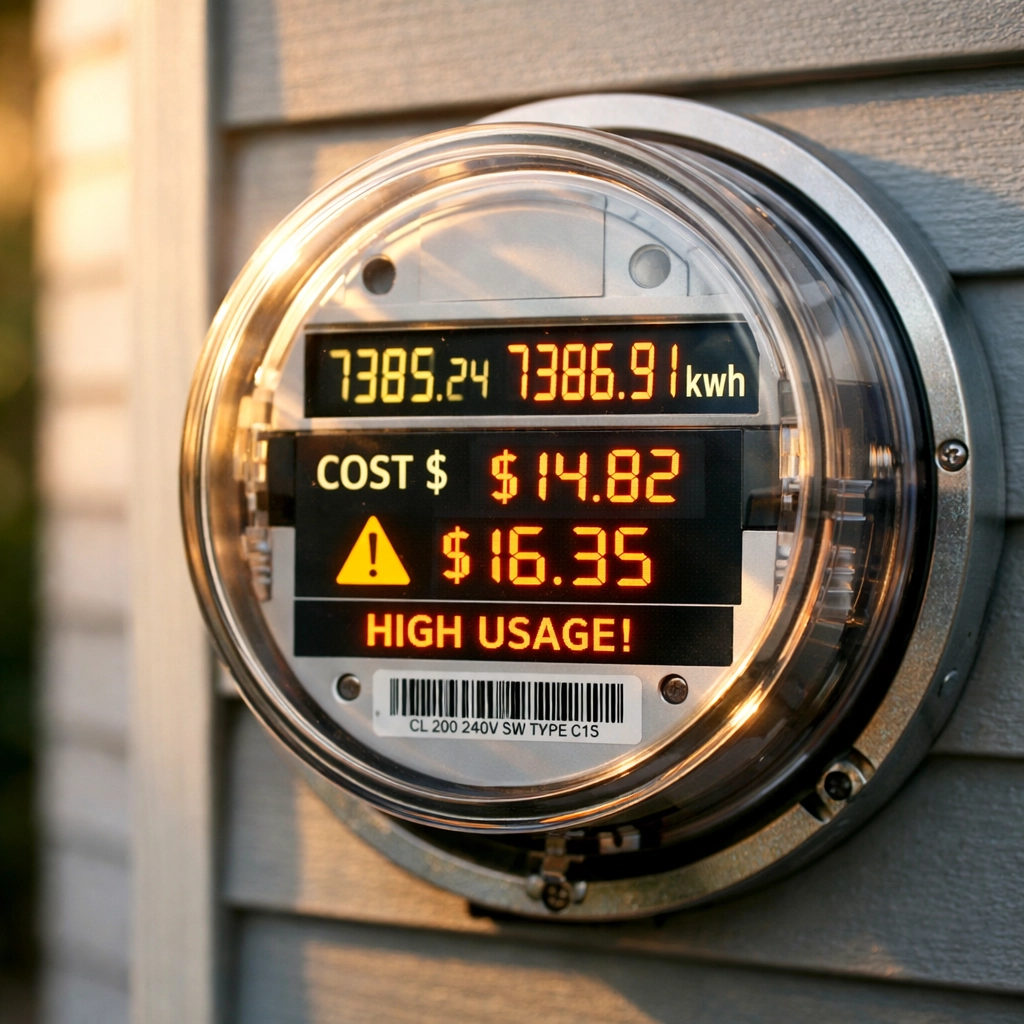
Now, you might be thinking: "But my bill didn't jump 900% last summer." And you're right. That's because utilities smooth out these fluctuations over time through rate adjustments and regulatory processes. But make no mistake, those wholesale shocks absolutely make their way to your monthly statement, just with a delay.
The "Supply Charge" Connection: How Wholesale Costs Hit Your Bill
If you've ever actually read your Con Ed bill (and let's be honest, most of us just skim to the total), you've probably noticed it's broken into two main components: delivery charges and supply charges.
Delivery charges cover the cost of maintaining the physical infrastructure, the poles, wires, transformers, and substations that bring electricity to your home. Supply charges, on the other hand, represent the actual cost of the electricity itself that Con Edison purchased on the wholesale market.
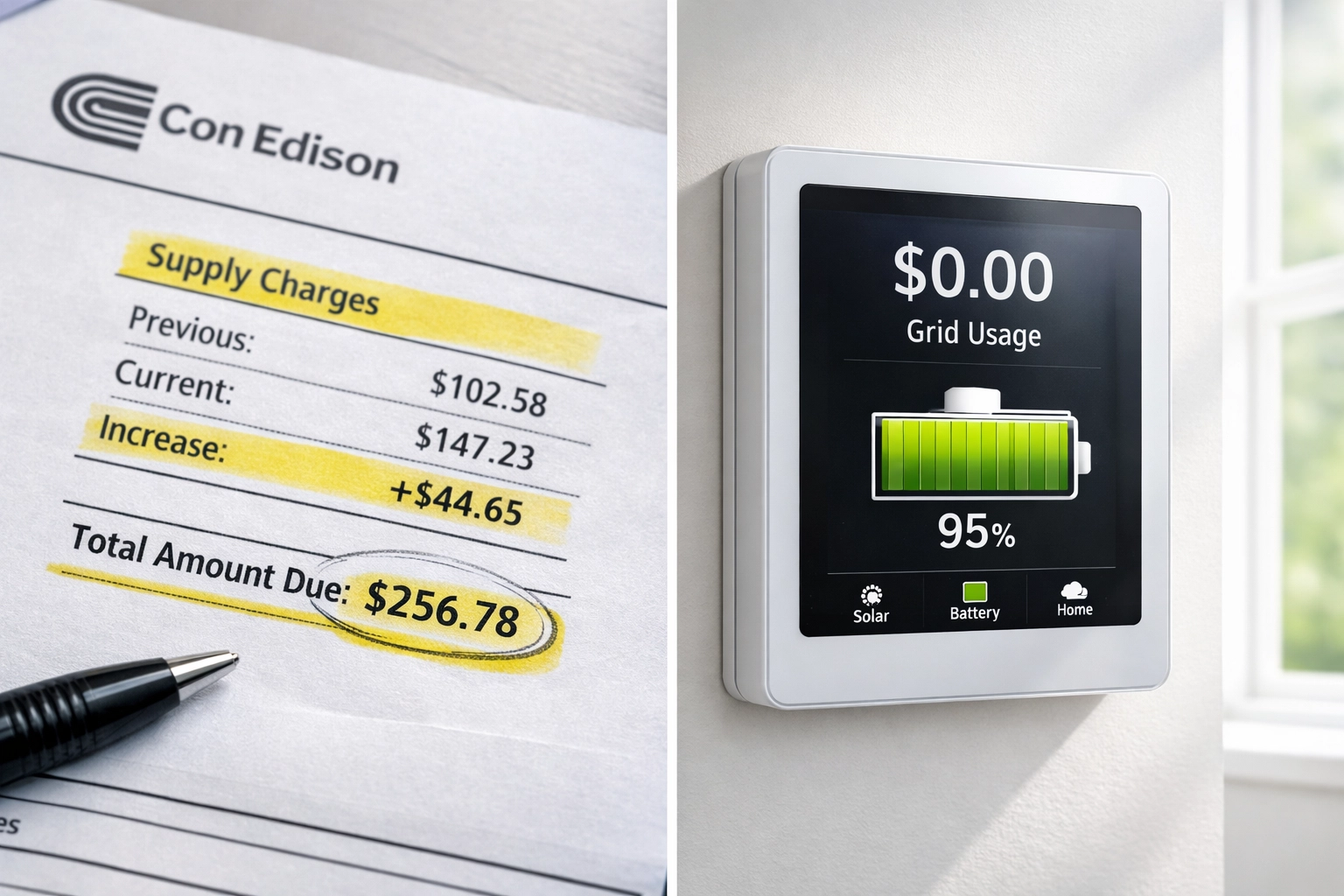
Here's where it gets frustrating: even if you reduce your electricity usage, your delivery charges stay relatively fixed. But your supply charges? Those are directly tied to wholesale market conditions. When wholesale prices spike due to natural gas shortages, extreme weather, or transmission bottlenecks, your supply charges climb right along with them.
For 2026, Con Edison's approved rate plan includes a 3.5% increase for electric rates, with 3.2% scheduled for 2027 and 3.1% for 2028, totaling nearly 10% over three years. That might sound reasonable until you realize these increases compound on top of already-elevated baseline rates that reflect years of wholesale market volatility.
Why New York Is Especially Vulnerable to Price Shocks
New York's electricity market operates under unique conditions that make it particularly susceptible to wholesale price spikes:
1. Heavy Reliance on Natural Gas
Since the closure of Indian Point nuclear plant in 2021, New York has become heavily dependent on natural gas for electricity generation, about 94% of the state's power now comes from fossil fuels. When natural gas prices surge (which they frequently do during winter heating season or global supply crunches), electricity prices follow.
2. Transmission Constraints
The Hudson Valley and Westchester sit in a congested transmission zone. Power generated upstate or imported from neighboring states often gets bottlenecked trying to reach downstate population centers. These transmission constraints create what's called "locational pricing", meaning you literally pay more for electricity just because of where you live.
3. Extreme Weather Events
Climate change is driving more frequent heat waves and cold snaps. During these events, demand for electricity spikes while generation capacity can actually decrease (power plants struggle in extreme temperatures). This supply-demand imbalance sends wholesale prices through the roof.
4. Limited Local Generation
Unlike some regions with abundant local power plants, the lower Hudson Valley imports a significant portion of its electricity. You're at the mercy of regional market dynamics, transmission availability, and out-of-state fuel costs.
The 300% Spike Isn't Hypothetical, It's Already Happening
While Con Edison's retail rate increases are regulated and spread over time, the wholesale market sees dramatic price spikes regularly. During winter storm Uri in 2021, wholesale electricity prices in parts of the Northeast spiked over 10,000%. In summer 2022, during a prolonged heat wave, New York's wholesale prices regularly exceeded $200 per megawatt-hour, triple the annual average.
These aren't isolated incidents. They're becoming the new normal as the grid struggles with:
Aging infrastructure
Increased electrification (more EVs, heat pumps, etc.)
Retirement of baseload power plants
Renewable energy intermittency
Extreme weather volatility
The Independent System Operator of New York (NYISO), which manages the state's wholesale electricity market, has warned repeatedly about capacity shortfalls and price volatility in coming years. Translation: buckle up, because the wholesale shocks are only going to get more frequent and severe.
How Solar + Battery Storage Acts as Your Personal "Rate Lock"
Here's where things get interesting for homeowners. While you can't control wholesale electricity markets or Con Edison's rate structures, you can absolutely insulate yourself from both.
Residential solar panels in NY essentially allow you to generate your own electricity at a fixed cost. Once your system is installed, your cost per kilowatt-hour is locked in for 25+ years. No wholesale market volatility. No surprise rate hikes. No supply charge roulette.
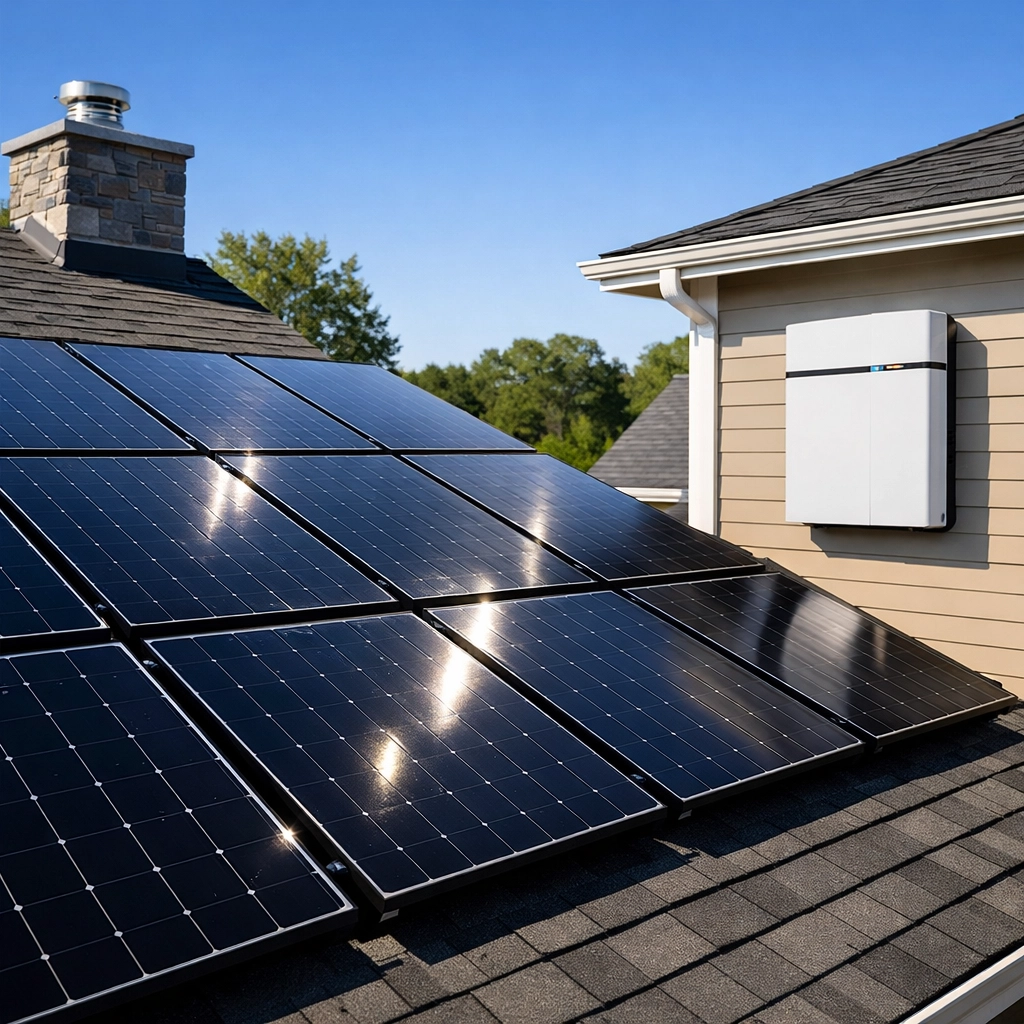
But solar alone only protects you during daylight hours. That's where battery storage becomes a game-changer. A home battery system stores excess solar energy generated during the day and deploys it during evening peak hours, exactly when wholesale prices (and your supply charges) are highest.
Think of it like this: instead of buying expensive electricity from Con Ed during peak demand, you're using "banked" electricity that you generated yourself earlier when the sun was shining. You're literally arbitraging the energy market from your basement.
For Hudson Valley homeowners, this combination is especially powerful because:
You're in a high-cost transmission zone with elevated supply charges
Net metering credits compensate you for excess solar production at retail rates
State incentives (NY-Sun program, federal tax credits) dramatically reduce upfront costs
The payback period for solar has dropped to 6-8 years in most cases
The Math That Matters: What Protection Actually Looks Like
Let's run some real numbers for a typical Westchester household using 700 kWh per month:
Without Solar:
Current average Con Ed bill: ~$175/month
With compounding 3%+ annual increases: ~$210/month by 2030
Over 25 years: approximately $65,000 in electricity costs
With Solar + Battery:
Average system cost after incentives: $20,000-$28,000
Monthly savings: $120-$150
Payback period: 7-9 years
Over 25 years: approximately $20,000 in total costs (system + minimal grid usage)
That's a $45,000 difference over 25 years: and that's using conservative projections that assume rates only increase modestly. If wholesale volatility accelerates (which most energy analysts expect), the savings gap widens dramatically.
What to Do Next: Your Action Plan
If you're a Hudson Valley or Westchester homeowner watching your Con Ed bills climb year after year, here's your next move:
1. Get a Professional Energy Assessment
Not every home is a perfect candidate for solar, and not every solar proposal is created equal. The best solar company in Hudson Valley will start with a detailed assessment of your roof, shading, electrical panel, and actual usage patterns.
2. Understand Your True Rate Pain
Request historical usage data from Con Edison (you're entitled to it). Look specifically at your supply charges over the past few years. You'll likely see them creeping up independent of your usage.
3. Model Different Scenarios
A reputable installer will show you projections for different system sizes, with and without battery storage, under various electricity rate increase scenarios. This isn't about sales pressure: it's about making an informed decision.
4. Lock in Current Incentives
Federal tax credits currently cover 30% of solar installation costs, but these programs don't last forever. New York's state incentives are also declining as more capacity comes online. Acting sooner rather than later maximizes your return.
The Bigger Picture: Energy Independence for Hudson Valley
Here's the thing about wholesale electricity price shocks: they're not going away. If anything, they're accelerating as the grid faces increasing stress from extreme weather, aging infrastructure, and the transition away from fossil fuels (however chaotic that transition might be).
For homeowners, waiting for utilities or regulators to "fix" the problem means continuing to absorb every market spike, every rate adjustment, and every infrastructure upgrade through your monthly bill. Or you can take control of your own energy future.
Residential solar panels in NY aren't just an environmental choice anymore: they're increasingly a financial necessity for households serious about controlling their long-term costs. And with battery storage advancing rapidly, the ability to completely decouple from grid volatility is more accessible than ever.
The next wholesale price shock is coming. The only question is whether you'll be writing a check to Con Edison when it hits, or watching from the security of your own clean energy system.
Ready to explore what energy independence looks like for your home? Schedule a free consultation with RJD Solutions to get a custom assessment and see exactly how much you could save over the next 25 years.
Because the best time to fix the roof is before the storm hits. And in New York's electricity market, the storm clouds are already gathering.
Stay Updated: Follow us on Facebook and Instagram for more NY energy alerts.
Comments