The Indian Point Void: Why Your NY Electric Bill is Paying for a Nuclear Exit

Ever wonder why your electric bill keeps climbing even though you haven't changed your usage? If you live in Hudson Valley or Westchester, you're not alone. The answer might be sitting 40 miles north of New York City, in the shadow of a now-silent nuclear facility that once powered a quarter of the region.
When Indian Point Energy Center permanently shut down on April 30, 2021, it created a massive energy void that someone had to fill. That "someone," as it turns out, is you: the homeowner footing the bill for a transition that nobody asked your permission to fund. In this post, we'll explore how the closure triggered a dramatic shift to fossil fuels, why your utility costs are absorbing the financial impact, and how solar panels in NY are becoming the only viable escape route from this rate spiral.
The 25% Problem Nobody Solved
For nearly 60 years, Indian Point's two reactors hummed along the Hudson River, generating approximately 1,040 megawatts of nuclear power: enough to supply 25% of the electricity for New York City and Westchester County. That's not a typo. One facility was responsible for keeping the lights on for millions of homes and businesses across the downstate region.
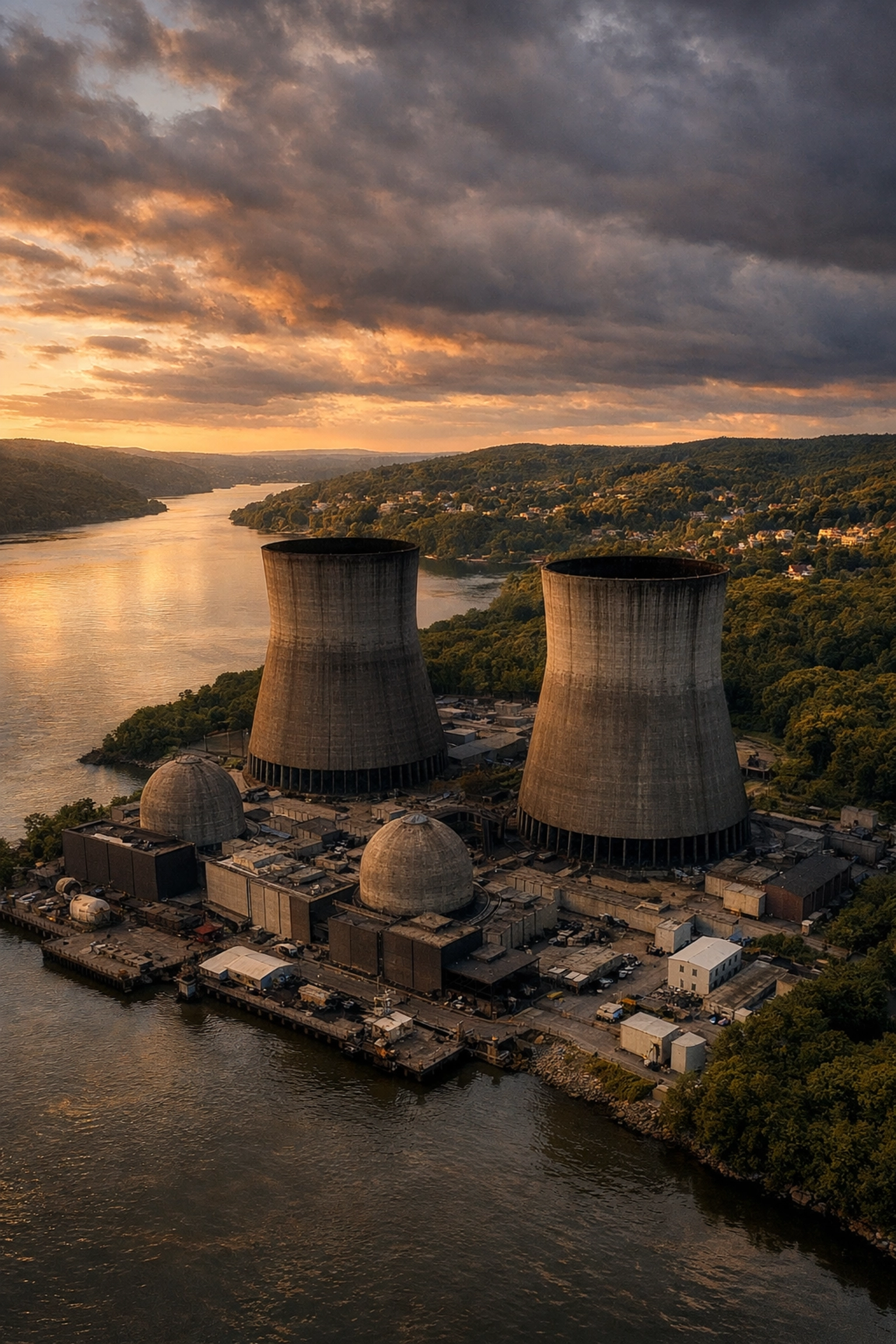
When the final reactor (Unit 3) went dark, New York State had a choice: replace that capacity with renewable energy or lean on what was readily available. The state chose the latter. Within the first full month after closure, natural gas generation jumped from 35% to 39% of New York's power mix. Today, the downstate region relies on fossil fuels for approximately 94% of its electricity: a stunning reversal for a state that bills itself as a climate leader.
The problem isn't just environmental. It's financial. Natural gas prices are volatile, tied to global markets, geopolitical instability, and seasonal demand spikes. When wholesale electricity prices surged 300% in early 2026, homeowners in Westchester and Hudson Valley felt it immediately. Your Con Ed bill didn't ask for your input: it just went up.
Why Indian Point Actually Closed (And Why It Matters to Your Wallet)
Let's be clear: Indian Point didn't close because it ran out of fuel or became unsafe overnight. It closed because of a perfect storm of economic pressure and political will.
Wholesale electricity prices had been dropping for years, making the aging nuclear plant less profitable to operate. At the same time, decades of environmental advocacy and proximity concerns (the plant sat just 24 miles from Times Square) led New York State officials to push for its retirement. Entergy, the plant operator, agreed to shut down Units 2 and 3 before their operating licenses expired as part of a settlement with the state.
Here's the kicker: nobody had a ready replacement. The state's renewable energy infrastructure wasn't built out enough to absorb 1,040 megawatts of baseload power. So while politicians celebrated the closure as a win for environmental safety, utility companies quietly fired up natural gas plants to keep the grid stable.
And who pays for that transition? You do. Every time you flip a switch.
The Hidden Cost: Carbon Emissions and Your Electric Bill
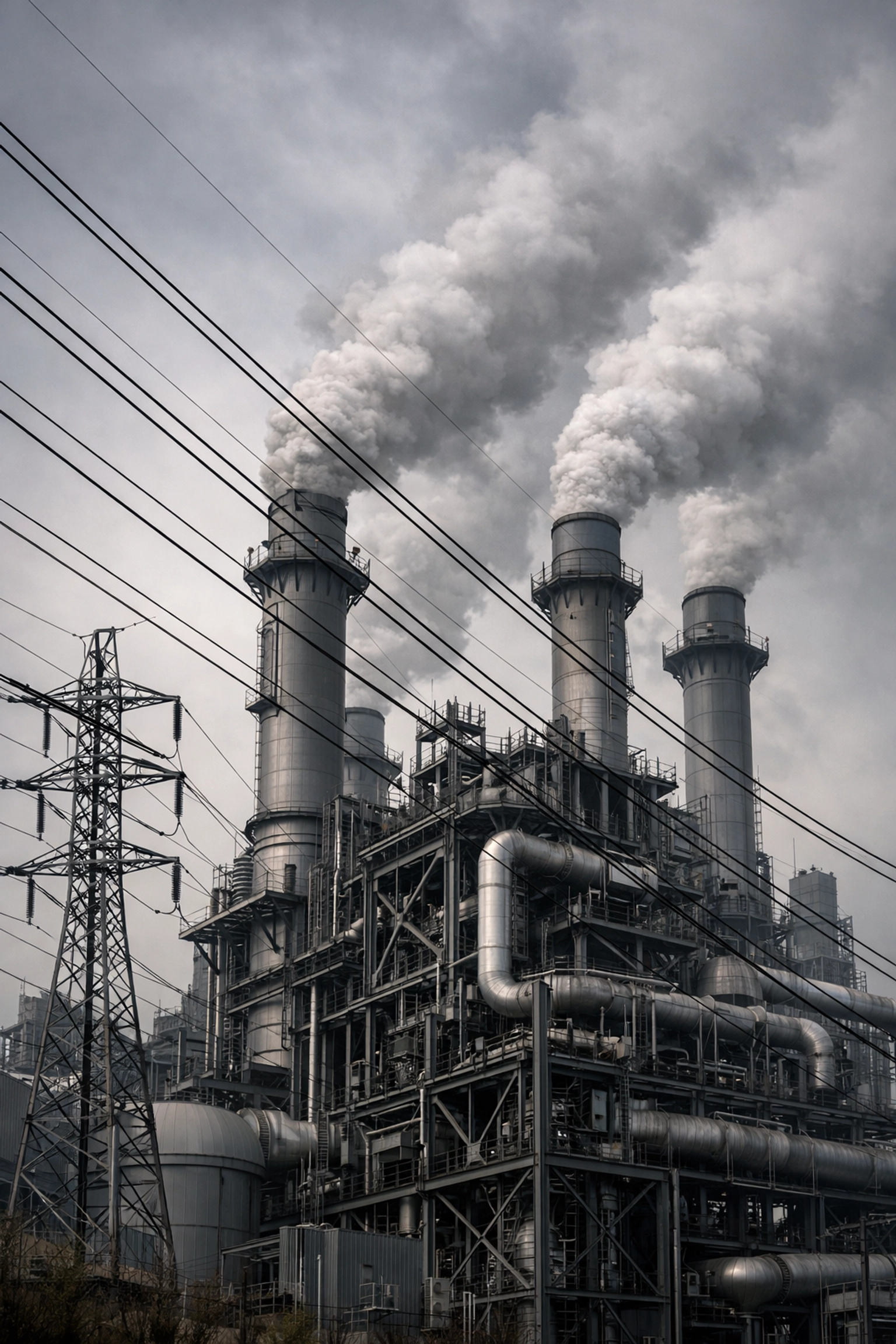
The irony is almost painful. New York State has some of the most aggressive climate goals in the country, including a mandate to achieve 70% renewable electricity by 2030 and 100% carbon-free power by 2040. Yet in the first full month after Indian Point closed, in-state carbon emissions from electricity generation rose 35%.
That's not just bad for the planet: it's bad for your budget. Fossil fuel generation is expensive to maintain and operate. Natural gas plants require constant fuel purchases, infrastructure upgrades, and emissions compliance costs. Utilities don't absorb those expenses. They pass them directly to ratepayers through delivery charges, supply adjustments, and system benefit fees buried deep in your monthly bill.
For homeowners in Hudson Valley and Westchester, this means you're not just paying for the electricity you use. You're paying for the infrastructure transition, the carbon emissions, and the market volatility that comes with a 94% reliance on fossil fuels.
The "Delivery Fee Deception" : Why Your Bill Stays High Even When You Use Less
Here's where it gets even more frustrating. You might think that using less electricity would lower your bill. But if you've been watching your Con Ed statements closely, you've probably noticed something strange: even when your usage drops, your total cost barely budges.
That's because delivery fees: the charges for maintaining the grid, upgrading transmission lines, and stabilizing supply: have been climbing steadily since Indian Point closed. These fees aren't based on how much electricity you consume. They're based on what it costs to keep the lights on for everyone, which now includes replacing 1,040 megawatts of reliable nuclear power with volatile, fossil-fuel-dependent generation.
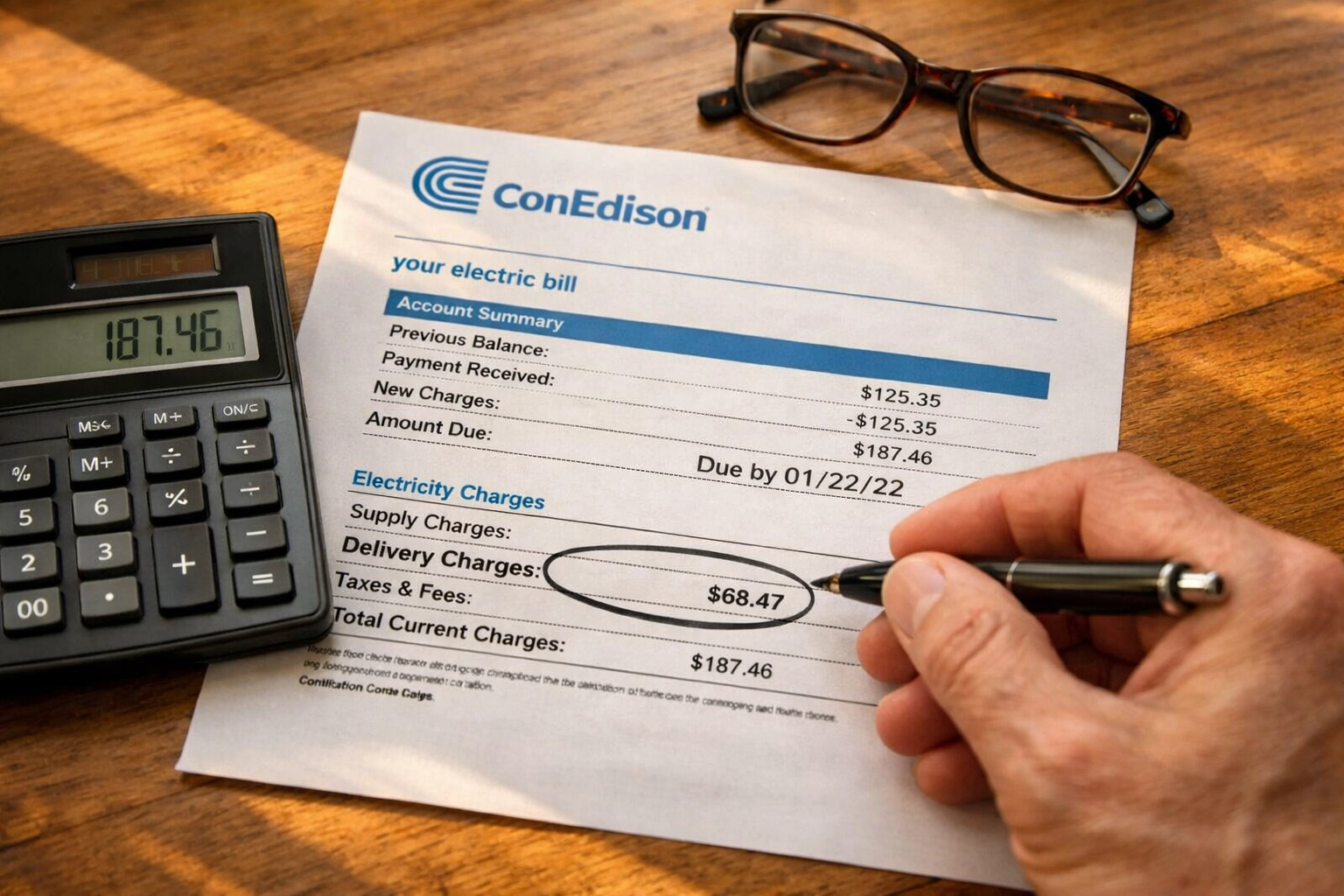
In other words, you're subsidizing the grid's transition whether you like it or not. And as long as you're connected to the utility, you're locked into those rising costs.
Westchester and Hudson Valley: Ground Zero for Rate Pain
If you live in Westchester or Hudson Valley, you're feeling this harder than most New Yorkers. These counties were directly served by Indian Point, meaning the closure hit your local grid infrastructure first and hardest.
Electricity in these downstate areas has become costlier and less dependable since the plant shut down, according to energy analysts. Meanwhile, Con Ed is investing over $21 billion in grid upgrades and system improvements through 2028: a massive capital expenditure that ratepayers are funding through higher delivery charges and infrastructure surcharges.
You're not imagining it. Your bills are higher because the entire regional energy ecosystem shifted overnight, and utilities are passing those costs directly to you.
The Only Real Exit: Solar Panels in NY
Here's the good news: you don't have to stay on this treadmill. While you can't control what Con Ed charges or how the state replaces nuclear capacity, you can control your own energy supply.
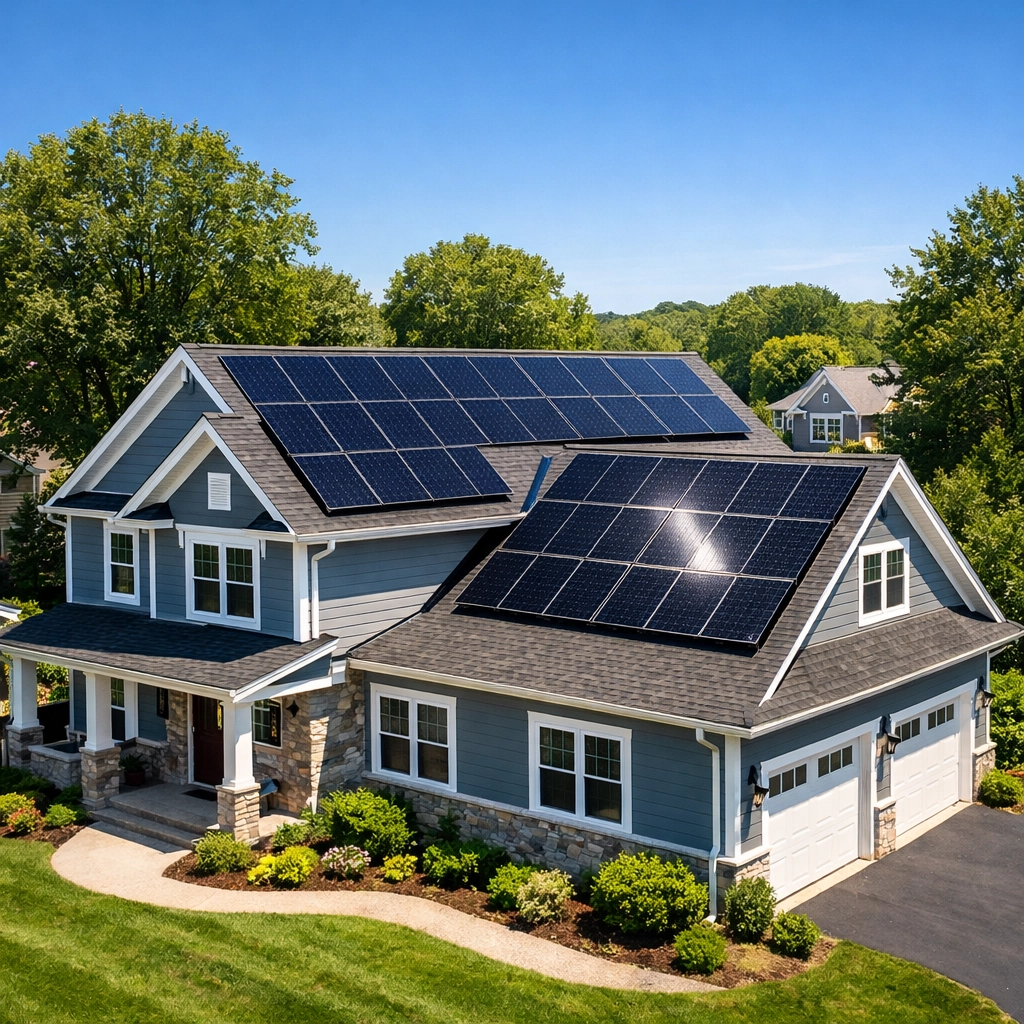
Solar panels in NY allow Hudson Valley and Westchester homeowners to lock in their electricity costs at a predictable, stable rate for 25+ years. Once your system is installed, sunlight is free. You're no longer subject to wholesale price spikes, delivery fee increases, or the financial fallout from closed power plants.
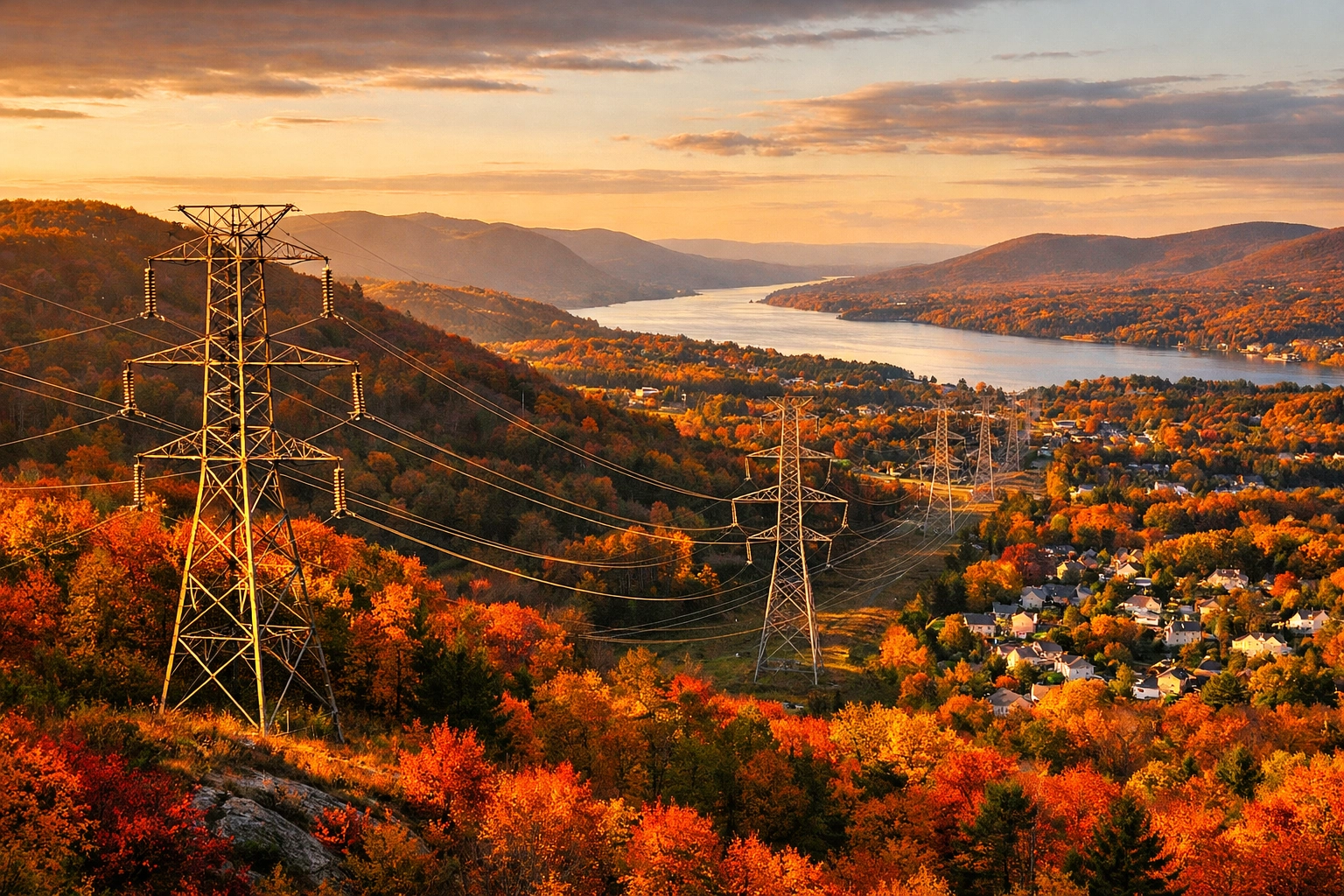
Even better, New York offers some of the most generous solar incentives in the country, including the federal Investment Tax Credit (ITC), state tax credits, and net metering programs that let you sell excess power back to the grid. For homeowners tired of watching their electric bills climb year after year, solar isn't just an environmental choice: it's a financial hedge against a grid in transition.
What Happens Next?
The Indian Point void isn't going away. New York State is racing to build out renewable capacity, but it will take years: possibly decades: to fully replace what was lost. In the meantime, fossil fuel dependency will remain high, wholesale prices will stay volatile, and your utility bills will continue absorbing the cost.
You can wait and hope for relief, or you can take control now. Solar panels in NY aren't just about going green. They're about opting out of a system that's designed to pass every infrastructure risk and cost increase directly to you.
At RJD Solutions Inc, we help Hudson Valley and Westchester homeowners break free from rising utility rates with custom solar installations that lock in predictable energy costs for decades. If you're tired of funding the grid's transition with your hard-earned money, it's time to explore what solar can do for your home.
Ready to stop paying for someone else's energy gamble? Book a free consultation and find out how much you could save by generating your own power( starting today.)
Stay Updated: Follow us on Facebook and Instagram for more NY energy alerts.
Comments