The Disconnection Crisis: Why NY's Utility Model is Reaching a Breaking Point

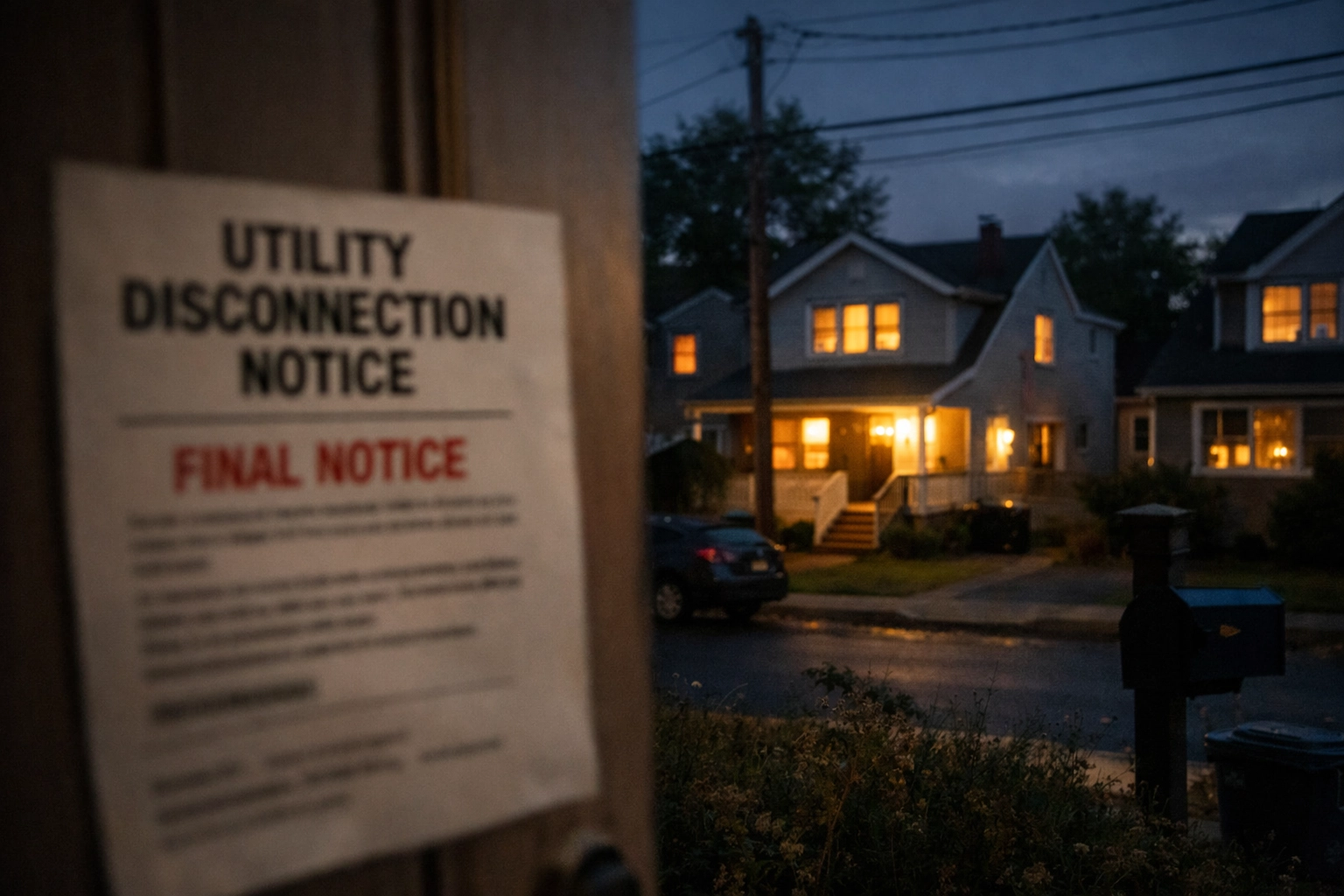
Have you opened your mailbox lately to find a disconnection notice from your utility company? If so, you're not alone: and you're not imagining the mounting pressure on your household budget.
We're witnessing something unprecedented in New York's energy landscape. Over 234,000 National Grid residential customers are at least 60 days behind on payments, totaling $309 million in unpaid bills. Statewide, the picture is even more alarming: 3.5 million New Yorkers (42%) have fallen behind on utility payments in the last five years, and 1.9 million (23%) have experienced utility shutoffs.
These aren't just statistics. They represent families in Westchester, the Hudson Valley, and across New York who are being forced to choose between keeping the lights on and putting food on the table. In this post, we'll explore why the utility model is fracturing, who's being hit hardest, and how solar + battery storage offers the only real exit ramp from this escalating crisis.
The Numbers Don't Lie: A System in Freefall
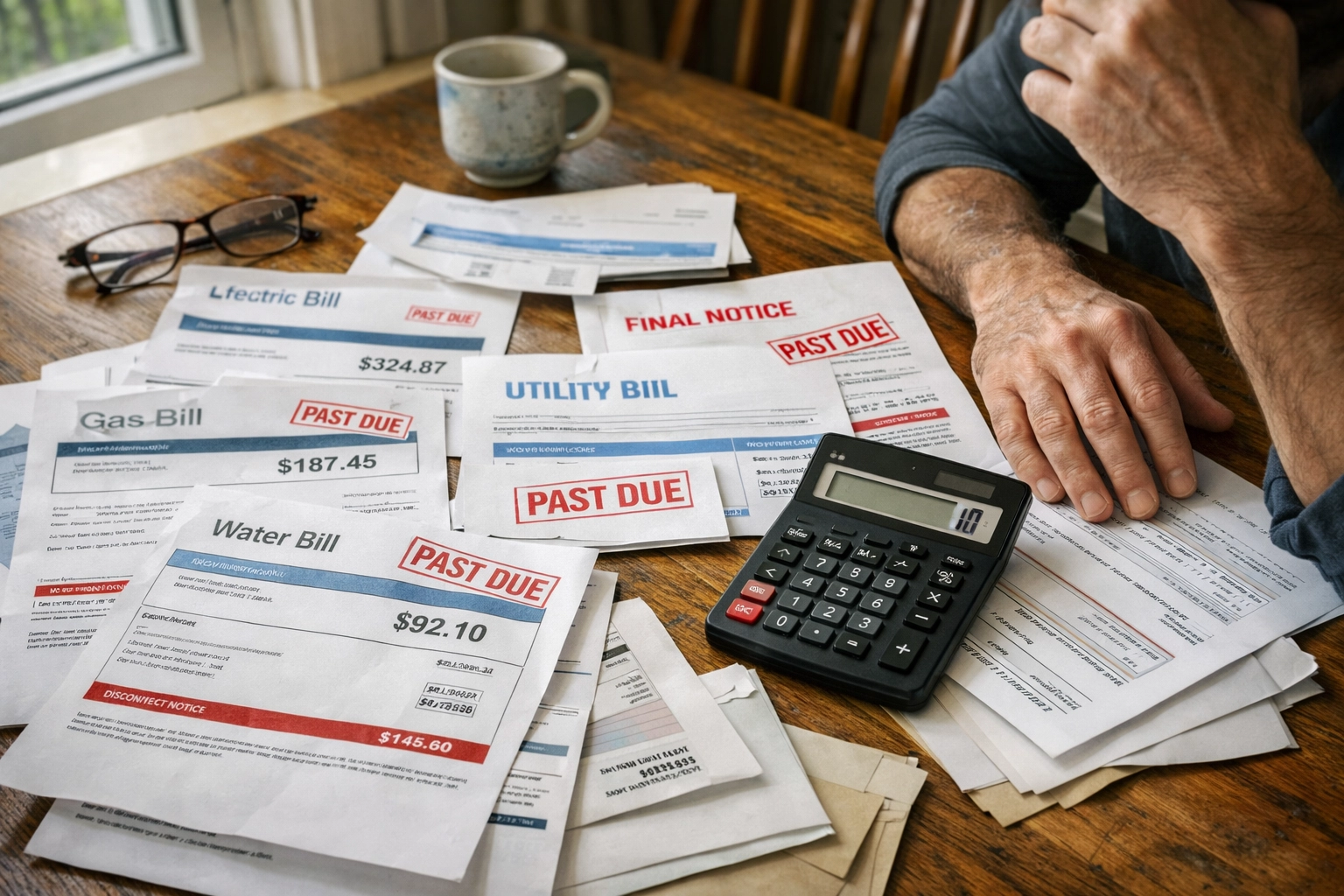
ConEd alone reports 406,000 households owing $560 million in utility debt: arrears that have doubled since pre-pandemic levels. But this isn't just about lingering COVID effects. The crisis has deepened even as pandemic-era protections have expired.
Winter weather has driven up heating demand, supply chain disruptions have elevated energy prices, and utilities continue proposing substantial rate increases. ConEd's proposed 11.4% increase: adding between $31 and $372 per year to household bills: is one of the steepest in recent memory. The justification? Modernizing and "greening" the power grid.
Here's the cruel irony: New York's ambitious 2019 Climate Act was intended to accelerate the transition to clean energy. Instead, regulatory complexity has paradoxically slowed infrastructure upgrades while simultaneously raising costs. Utilities remain dependent on aging fossil fuel systems that require expensive maintenance, and ratepayers are footing the bill for a transition that keeps getting delayed.
The Safety Net Just Disappeared
If you've been relying on assistance programs to help cover your energy bills, the ground just shifted beneath your feet.
The Trump administration dismantled the LIHEAP (Low Income Home Energy Assistance Program) staff in April 2025 and has proposed eliminating all LIHEAP funding in the 2026 budget. This program was critical for over a million energy-burdened New Yorkers: and even if LIHEAP survives Congressional budget battles, experts say its funding would need to increase "maybe 5-10 times" to adequately address the problem.
Meanwhile, legislative solutions remain gridlocked. Senate Democrats rejected a measure in early February 2026 to provide relief from skyrocketing utility bills, and Governor Hochul's exploration of direct payments to ratepayers remains limited compared to the scale of need.
Translation: You're on your own.
Who Gets Hit Hardest? (Spoiler: It's Getting Worse)
Energy insecurity is not evenly distributed across New York. Approximately 30% of New Yorkers cannot meet their household's energy needs, but Black and Latino New Yorkers and those living below the poverty line are eight times as likely to experience utility shutoffs compared to white and affluent New Yorkers.
But here's what's changing: middle-income families are now joining low-income households in struggling to afford basic utilities. The crisis is no longer confined to the most economically vulnerable: it's creeping up the income ladder as rates continue to climb and assistance programs vanish.
If you're a homeowner in Westchester or the Hudson Valley who never thought twice about paying the electric bill, but now you're wincing when you open that envelope? You're experiencing the new reality of New York's utility model reaching its breaking point.
The Grid Instability Nobody's Talking About
There's another pressure point that doesn't show up in your monthly bill: yet.
New York's electrical grid is being stretched in multiple directions simultaneously. On one side, you have the push toward electrification: electric vehicles, heat pumps, and the elimination of gas appliances in new construction. On the other side, you have massive new demand from energy-intensive industries.
There are currently 48 data center projects totaling over 11 gigawatts in the interconnection queue. For context, that's roughly equivalent to adding the power needs of several major cities to the grid. Who pays for the infrastructure upgrades needed to accommodate this industrial demand? You guessed it: residential ratepayers.
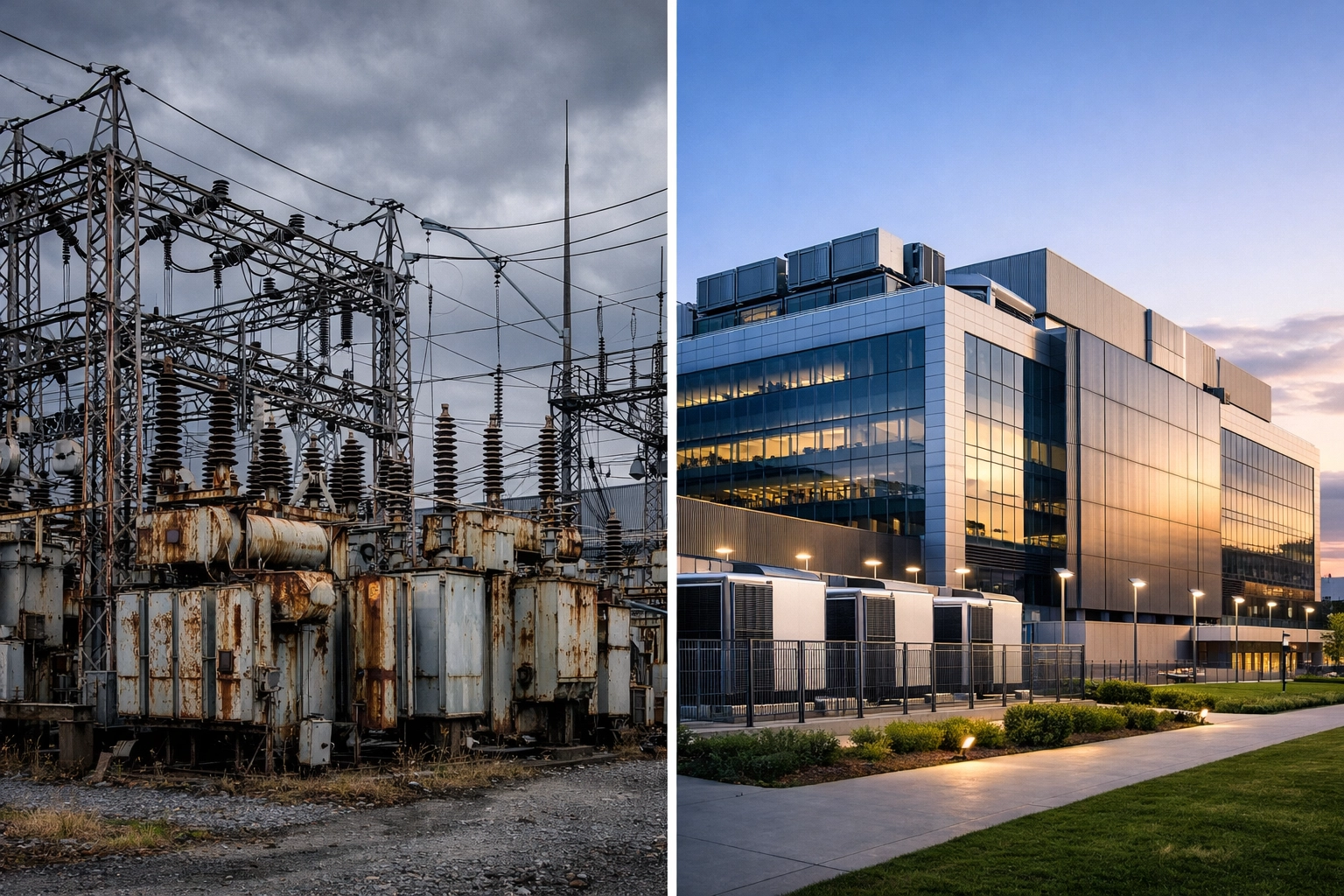
This isn't just about higher bills. It's about a grid that's being asked to do more with aging infrastructure while simultaneously transitioning to renewable sources: all without a coherent plan for how to manage the reliability gap.
When storms knock out power for days in Westchester, or summer heatwaves trigger brownout warnings, you're seeing the early warning signs of a system that's being pushed beyond its design limits.
The Only Real Exit Ramp: Solar + Battery Storage
Here's where we need to shift from documenting the crisis to discussing the solution: because staying connected to a utility model that's actively failing its customers isn't your only option.
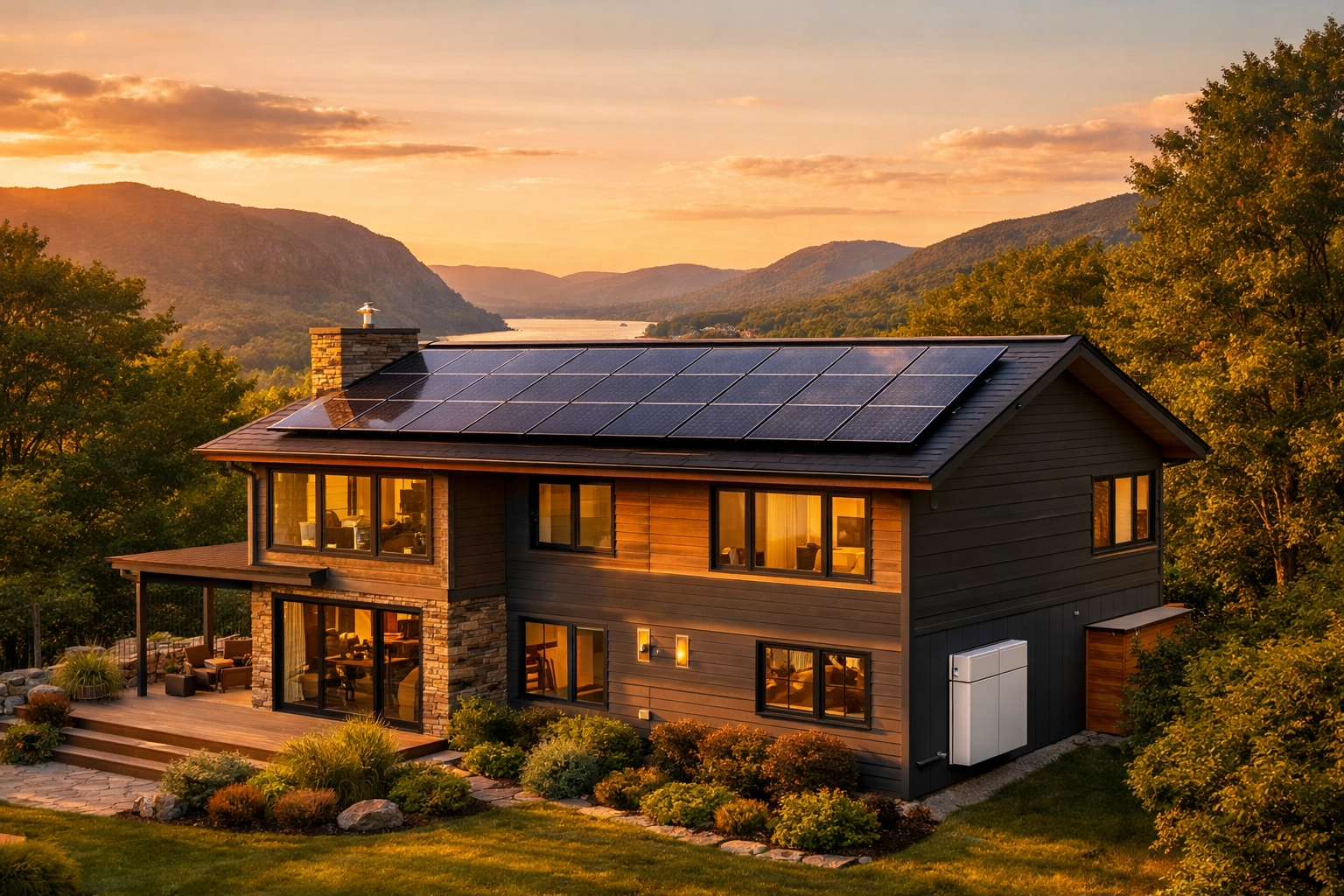
Solar energy combined with battery storage creates something the traditional grid can't offer: energy independence. When you generate your own electricity and store excess power in batteries, you're no longer at the mercy of utility rate hikes, disconnection notices, or grid instability.
Let's be clear about what this means in practical terms:
Financial protection: Your energy costs become predictable. Solar panels have fixed costs spread over 20-25 years of production, which means you're insulated from the rate increases that are crushing your neighbors. No more dreading the winter heating bill or summer cooling charges.
Grid independence: When the utility experiences outages: whether from storms, equipment failure, or overloaded circuits: your home stays powered. Battery storage means you're not just generating electricity during sunny days; you're maintaining power 24/7.
Exit from the debt cycle: If you're one of the thousands of New York families behind on utility payments, solar can fundamentally change your relationship with energy costs. Instead of falling further behind each month, you're paying off a finite investment that will eventually eliminate your electric bill entirely.
The Hudson Valley Advantage
If you're reading this from Westchester or the Hudson Valley, you're actually in an ideal position to make this transition. Our region has:
Strong solar incentives: New York's solar tax credits and net metering programs remain among the nation's strongest, despite the broader utility crisis
Reliable solar production: The Hudson Valley receives ample sunlight for effective year-round solar generation
High electricity rates: The worse your current utility costs, the faster solar pays for itself
Property value increases: Homes with solar installations consistently sell for more than comparable properties without
The utility companies aren't going to fix this problem: they're too entrenched in the aging infrastructure and regulatory morass. State assistance programs are being dismantled. The crisis is only going to deepen.
What You Can Do Right Now
The disconnection crisis isn't theoretical: it's happening right now to your neighbors, and potentially to your household. But you don't have to wait for utility reform or restored federal assistance that may never come.
Start with a free energy consultation to understand what solar + battery storage would look like for your specific property. We'll analyze your current energy costs, calculate your potential savings, and show you exactly how solar can provide the exit ramp from this failing utility model.
The families who act now: while solar incentives are still strong: will be the ones who look back in five years and realize they dodged the worst of this crisis. The families who wait and hope things get better? They'll be dealing with even higher rates, continued disconnection threats, and potentially diminished solar incentives.
The choice is yours, but the window for action is narrowing.
Stay Connected With RJD Power Solutions
Follow us for more insights on energy independence and solutions to the utility crisis:
Instagram: https://www.instagram.com/rjdpowersolutions
Comments