Residential Solar Panels 101: A Beginner's Guide to Mastering Home Solar Installation

Are you thinking about making the switch to solar energy but feeling a bit overwhelmed by the entire process? If so, you're not alone. Residential solar panels have become increasingly popular as homeowners across New York and New Jersey look for ways to take control of their energy future: especially with utility rates climbing at an alarming pace. While going solar might seem complex at first glance, the installation process is actually straightforward when you understand what to expect.
In this post, we will guide you through everything you need to know about home solar installation, from your first consultation to the moment you flip the switch on your new system. We'll explore how solar panels work, what components make up your system, and the step-by-step journey from decision to activation. By the end, you'll have a clear roadmap for mastering your home solar installation with confidence.
How Solar Energy Powers Your Home
Before diving into the installation process, it helps to understand the science behind your investment. Solar panels generate electricity through something called the photovoltaic effect. Most residential panels are made of silicon: a semiconductor material that does the heavy lifting.
When sunlight hits your solar panel, it energizes electrons in the silicon, creating an electrical current. This raw energy flows to your solar inverter, which is essentially the brain of your system. The inverter takes the direct current (DC) energy produced by your panels and converts it into alternating current (AC) energy: the type of electricity that powers your appliances, lights, and devices throughout your home.
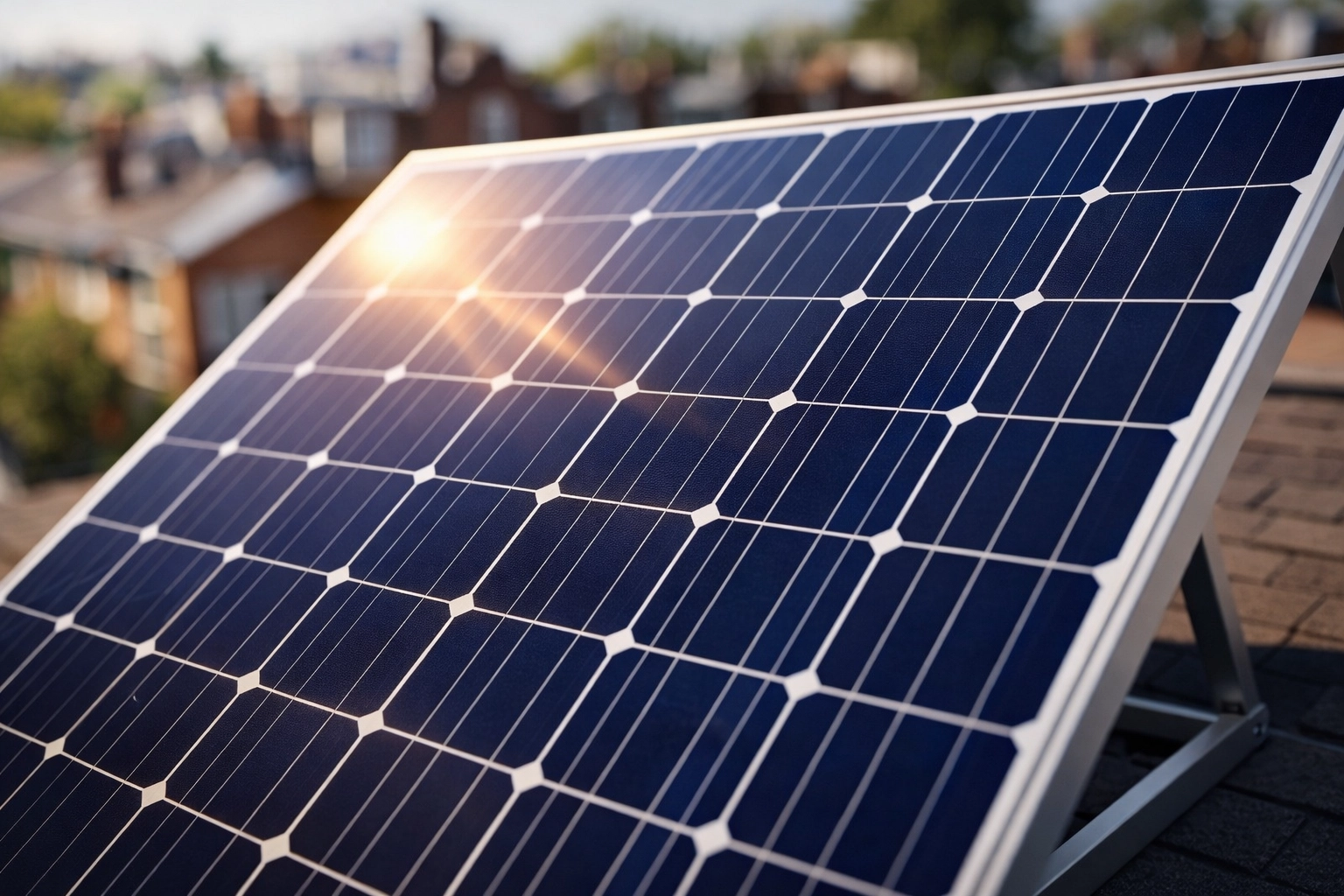
The beauty of this process is its simplicity. There are no moving parts, no fuel required, and no emissions produced. Your roof becomes a power plant, quietly generating clean energy every time the sun comes out.
The Essential Components of Your Solar System
A complete residential solar setup consists of several key components working together seamlessly:
Solar Panels – These are the visible workhorses mounted on your roof, converting sunlight into electricity. Modern panels are incredibly durable and designed to withstand decades of weather exposure.
Racking Equipment – This specialized mounting system secures your panels to your roof structure. Professional installers carefully engineer this system to protect your roof while ensuring optimal panel positioning.
Solar Inverter – As mentioned, this device converts the DC energy from your panels into usable AC electricity. You'll typically have either a string inverter for your whole system or microinverters attached to each panel.
Net Meter – Your utility company installs this device to track how much energy your panels produce versus how much electricity your home draws from the grid. This is crucial for understanding your energy independence.
Solar Battery Storage (Optional) – If you choose a hybrid system, battery storage allows you to save excess solar production for use during nighttime hours or power outages.
Understanding these components helps you appreciate the sophisticated yet reliable system being installed on your home.
Is Your Home Ready for Solar?
Not every home is identical, and that's where a professional evaluation becomes essential. During your initial consultation with RJD Solutions, we assess several key factors that determine how solar will perform on your property.
Roof Condition and Orientation – South-facing roofs capture the most sunlight in our region, though east and west orientations can work well too. We'll examine your roof's age, structure, and any shading from trees or nearby buildings.
Energy Consumption Patterns – Understanding your monthly electricity usage helps us design a system that matches your actual needs. We'll review your utility bills to identify your consumption patterns throughout the year.
Available Roof Space – The amount of unobstructed roof area determines how many panels we can install and, consequently, how much of your energy needs we can offset.
This evaluation isn't about upselling you: it's about transparency. We want to ensure solar makes sense for your specific situation before moving forward.
Calculating Your Solar Panel Needs
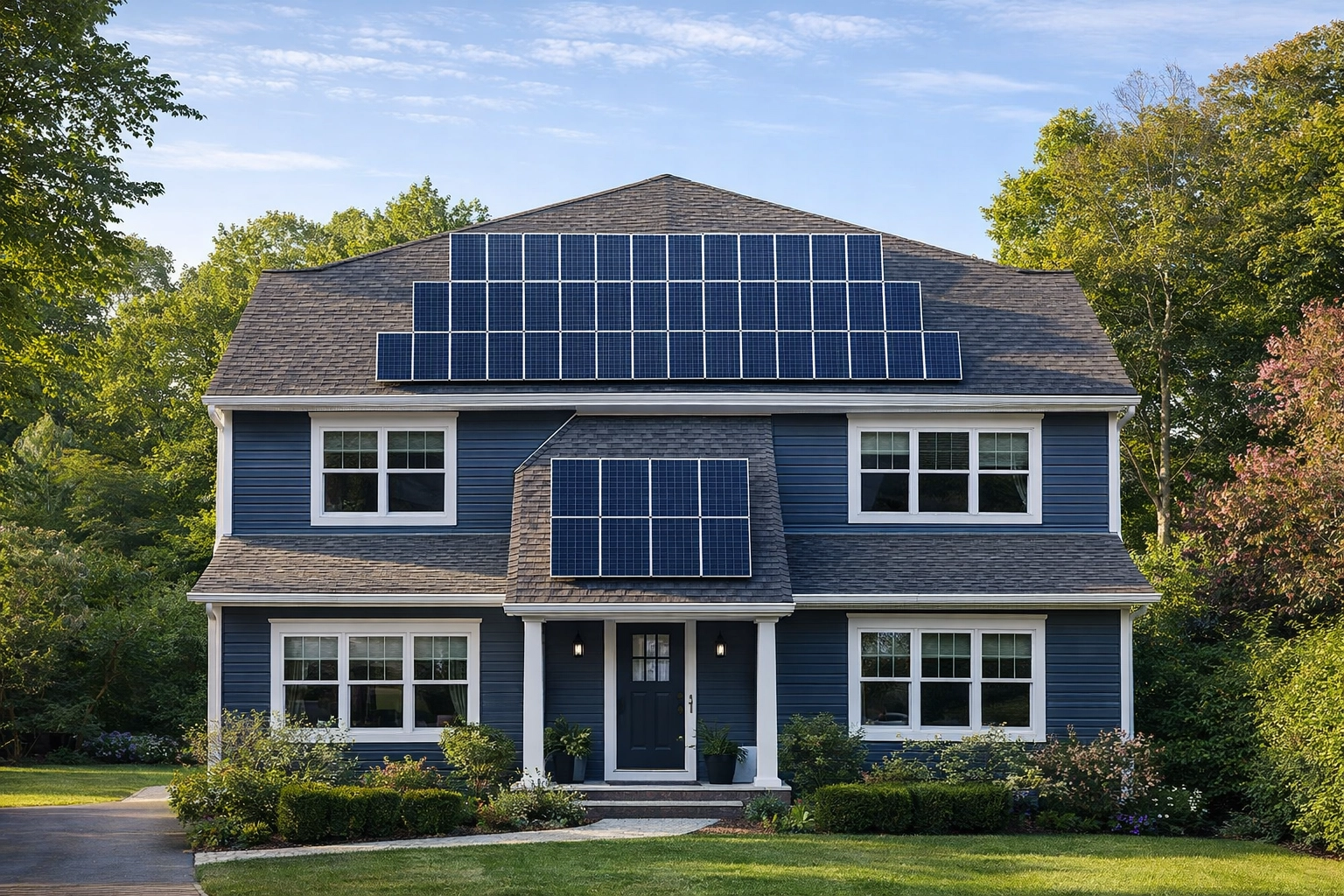
Once we understand your energy profile, we determine the right system size for your home. The calculation considers your monthly energy usage measured in kilowatt-hours (kWh), the average peak sun hours your location receives, and the output rating of the panels we recommend.
For a typical New York or New Jersey home using around 900 kWh per month, you might need anywhere from 15 to 25 panels depending on their efficiency rating and your roof's sun exposure. We handle all these calculations during the design phase, creating a custom system blueprint specifically for your property.
The Solar Installation Journey: What to Expect
The path from decision to activation involves several coordinated phases. Here's the transparent timeline you can expect when working with a professional installer like RJD Solutions.
Phase 1: Engineering Site Visit
After you decide to move forward, we schedule a detailed engineering assessment. Our team visits your property to take precise measurements, photograph your electrical panel, examine your roof structure up close, and document any unique aspects of your home that affect installation.
This visit typically takes 1-2 hours and gives us everything we need to finalize your system design and create installation plans that meet local building codes.
Phase 2: Permits and Documentation
Here's where working with an experienced installer really pays off. We handle all the paperwork, including:
Submitting your building permit application to your local municipality
Coordinating interconnection agreements with your utility company
Ensuring compliance with all state and local regulations
Obtaining homeowners association approval if required
This phase takes anywhere from 2-6 weeks depending on your local jurisdiction's processing times. While you wait, we order your equipment so everything arrives before installation day.
Phase 3: Installation Day
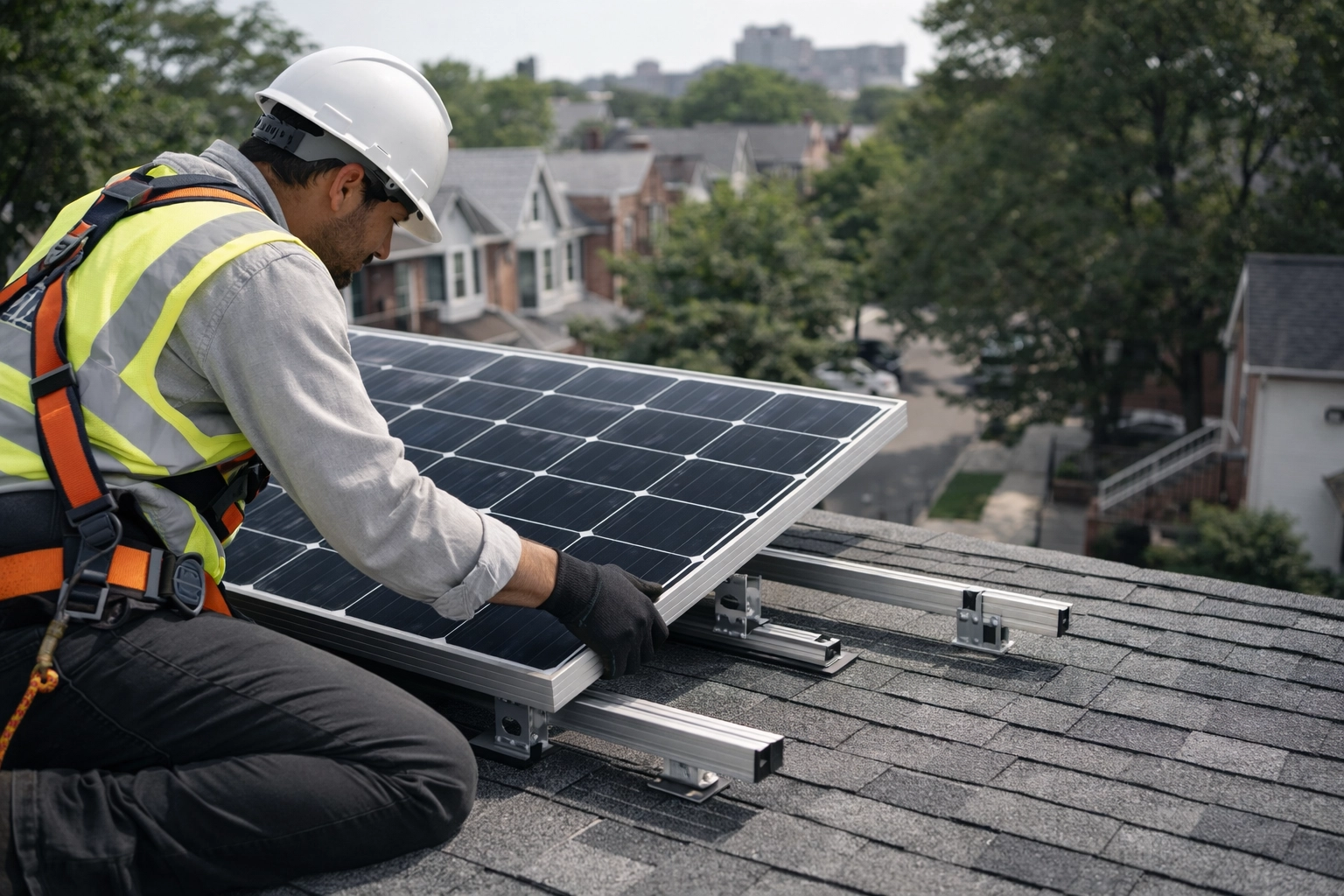
This is when the magic happens. Our certified installation crew arrives at your home, typically in the early morning, to begin the physical installation. The process usually takes one to three days depending on your system size and roof complexity.
Here's what happens during installation:
Day One – We set up safety equipment, install the racking system on your roof, and mount the solar panels. Our team works efficiently while maintaining the highest safety standards and protecting your property.
Electrical Work – We run conduit from your roof to your electrical panel, install the inverter (typically in your garage or on an exterior wall), and make all the electrical connections. Only licensed electricians handle this critical phase.
Final Touches – We install your production monitoring system so you can track your solar generation in real-time through a smartphone app. Before leaving, we clean up completely, removing all debris and leaving your property in pristine condition.
Phase 4: Inspection and Approval
Before you can start using your system, local building inspectors need to verify that everything meets code requirements. We coordinate this inspection, and our team is present to answer any technical questions.
Once the local inspection passes, your utility company performs a final check and officially grants permission to operate your system. This interconnection authorization typically happens within 1-3 weeks after installation.
Phase 5: Activation and Monitoring
This is the moment you've been waiting for. Once we receive permission to operate from your utility, we return to activate your system and provide hands-on training. We'll show you how to monitor your production, what to watch for, and how to maximize your solar generation.
From this point forward, your home is officially powered by the sun. Your net meter tracks the energy flowing to and from the grid, and you'll start seeing the impact on your utility bills immediately.
Professional Installation vs. DIY: Why Expertise Matters
You might encounter information online suggesting solar installation is a DIY project. While technically possible for someone with advanced electrical skills, we strongly advise against it for several critical reasons.
Solar installations involve:
Working at dangerous heights on your roof
Making permanent modifications to your home's electrical system
Obtaining complex permits that require licensed contractor credentials
Ensuring compliance with rapidly evolving electrical codes
Maintaining manufacturer warranties that require professional installation
Coordinating utility interconnection agreements
A mistake during DIY installation can result in roof damage, electrical hazards, system underperformance, or even fire risks. Professional installers carry liability insurance, workmanship warranties, and the experience to handle unexpected challenges that arise during installation.
Finding the Right Solar Partner
Your installer choice significantly impacts your overall solar experience. At RJD Solutions, we believe transparency and expertise should guide every installation. When evaluating solar companies, look for:
Proper licensing and insurance coverage
Certified installers with manufacturer training
Clear communication throughout the process
Comprehensive warranties on both equipment and workmanship
Strong local reputation and customer reviews
Experience with your specific roof type and local regulations
The right partner doesn't just install panels: they become your long-term resource for system monitoring, maintenance questions, and any service needs that arise.
Your Solar Journey Starts Here
Understanding the residential solar installation process empowers you to make informed decisions about your energy future. From the initial consultation through system activation, each phase brings you closer to energy independence and protection from rising utility rates.
The process takes approximately two to three months from start to finish, but the benefits last for decades. Your professionally installed system will generate clean, reliable power while requiring minimal maintenance beyond occasional cleaning and monitoring.
Ready to take the next step? Schedule a consultation with RJD Solutions to discuss your specific home and energy goals. We'll evaluate your property, answer all your questions, and provide a transparent roadmap for your solar journey. The sun is ready to power your home( let's make it happen together.)
Comments