NY Utility Alert: Con Edison and National Grid Rate Hikes in 2026, What You Need to Know

Have you noticed your utility bills creeping higher and higher each month? If so, you're not alone. New York homeowners are facing a perfect storm of utility rate increases in 2026 that will push energy bills to their highest levels in over a decade. While a few dollars here and there might not seem alarming at first glance, the cumulative impact of these hikes, combined with years of previous increases, is fundamentally changing what it means to stay connected to the traditional power grid.
In this post, we'll break down exactly what's happening with New York's major utility providers, why your bills are climbing despite your best efforts to conserve energy, and most importantly, what you can do about it right now before these increases hit your wallet.
The 2026 Rate Increase Breakdown: Who's Raising Rates and By How Much
Let's cut straight to the numbers. Multiple utility providers across New York are implementing significant rate increases in 2026, and the scope is staggering.
Con Edison customers will see a 3.5% increase in electric rates and a 4.4% increase in gas rates starting in 2026. However, that's just the beginning, this is part of a three-year rate plan that compounds annually, with a 3.2% increase scheduled for 2027 and another 3.1% in 2028. When you add it all up, Con Edison customers are looking at approximately 9.8% in total increases over the next three years.
National Grid downstate customers (covering New York City, Long Island, and the Rockaways) are facing an 11.1% rate increase effective April 1, 2026. This follows previous hikes of 19.4% in September 2024 and 5.1% in April 2025 as part of their three-year rate plan.
But here's where it gets even more concerning. Upstate New York residents served by NYSEG and RG&E are experiencing the steepest increases of all, 23.7% and 26% respectively. These aren't typos. We're talking about rate increases that can add hundreds of dollars to annual energy bills for the average household.
What makes this particularly frustrating is that these increases come on top of years of previous rate hikes. Energy bills across New York are already at their highest point in a decade, and 2026 is set to push them even higher.
Why Your Bill Keeps Rising (Even When You Use Less Energy)
Here's something that catches many homeowners off guard: even if you've been diligently turning off lights, upgrading to LED bulbs, and adjusting your thermostat, you're probably not seeing the savings you expected. That's because a significant portion of your utility bill isn't actually about how much electricity you use, it's about the delivery charges, grid maintenance fees, and infrastructure costs that increase regardless of your consumption.
The utility companies cite several reasons for these relentless increases:
Aging infrastructure requires constant investment. The power grid serving New York was built decades ago and needs extensive upgrades to remain functional. Every time a transformer needs replacing or a power line requires maintenance, those costs get passed directly to you.
Grid hardening and severe weather preparation have become major expense categories. As extreme weather events become more frequent, utilities are investing billions in making the grid more resilient. While these improvements are necessary, they're also expensive, and you're footing the bill.
Electrification initiatives are increasing demand on the system. As more New Yorkers switch from gas appliances to electric alternatives (heat pumps, induction stoves, electric vehicles), the grid needs capacity upgrades to handle the additional load.
Rising property taxes on energy infrastructure add another layer of costs that utilities pass through to customers.
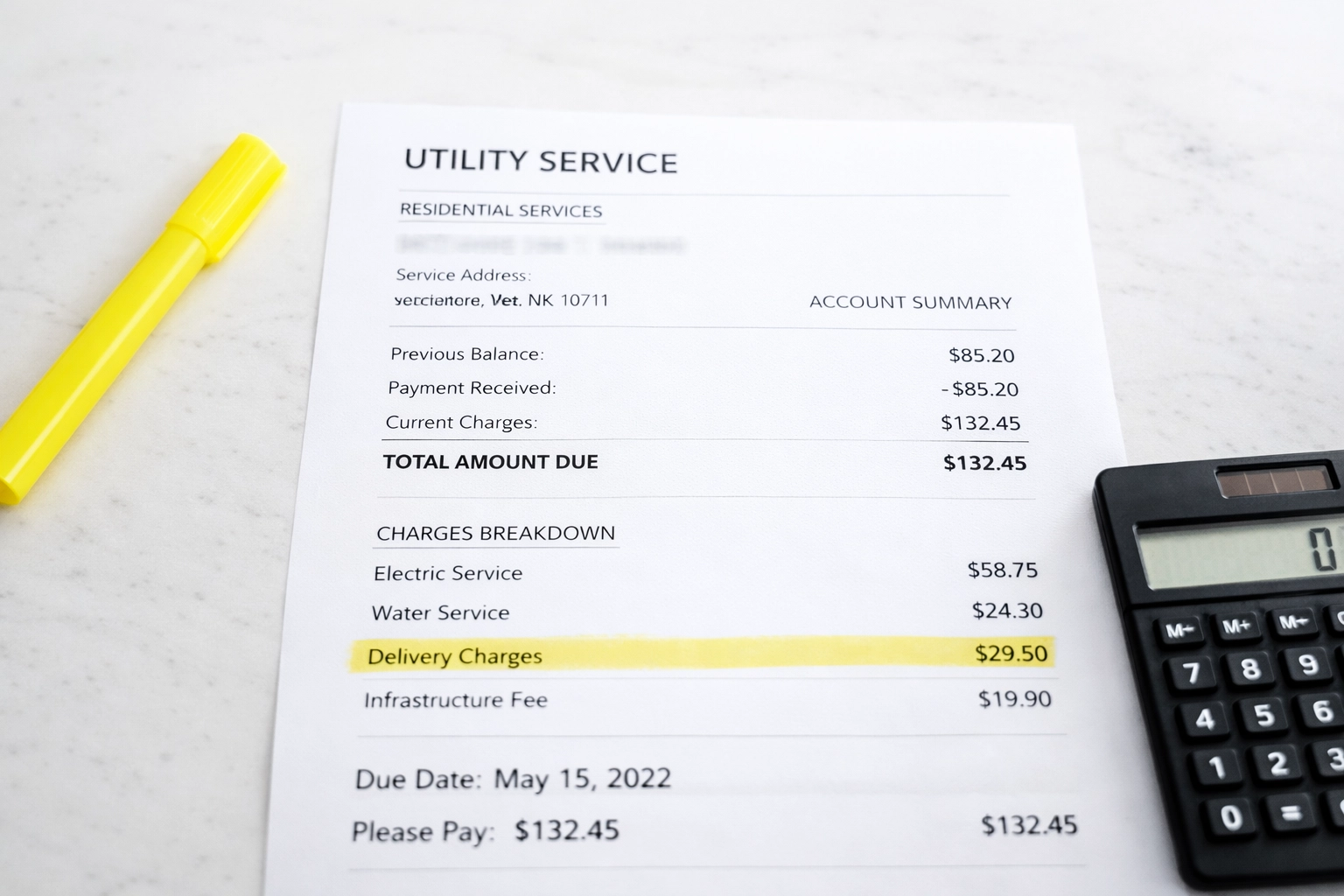
Here's the critical insight that changes everything: These delivery charges and infrastructure fees make up such a large percentage of your bill that conservation alone won't solve your rising energy costs. You can cut your electricity usage by 20%, but if delivery charges increase by 15%, you're barely breaking even, and still dealing with higher bills.
The Real Problem: You Have No Control Over Utility Rates
The most frustrating aspect of traditional utility power isn't just that rates are increasing, it's that you have absolutely no say in the matter. State regulators approve these rate hikes after review, but as a customer, you're essentially locked into whatever pricing structure the utility companies and Public Service Commission agree upon.
This isn't a one-time problem that resolves itself. The three-year rate plans from Con Edison and National Grid make it clear that 2026 is just the beginning. You can expect your bills to increase again in 2027 and 2028, with no guarantee that the increases will stop there. In fact, given the ongoing infrastructure needs and climate-related challenges facing New York's grid, it's reasonable to expect that utility rate increases will continue well into the next decade.
Think about that for a moment. Every year, you're essentially signing up for higher energy bills with no ability to lock in today's rates or opt out of future increases. The only choice you have is to accept the increases or drastically reduce your quality of life by using less electricity, and even that won't fully offset the rising delivery charges.
Solar Installation: The Only Way to Lock In Your Energy Rates
Here's where the conversation shifts from problem to solution. While you can't control what utility companies charge, you can control where your electricity comes from. Solar installation allows you to generate your own power and lock in your energy rates for the next 25-30 years.
When you install solar panels on your home, you're essentially pre-paying for decades of electricity at today's rates. While utility customers will see their bills increase year after year, your energy production remains consistent. The sun doesn't send rate increase notifications.
Let's put this in perspective. If you're currently paying $200 per month for electricity, and rates increase by just an average of 4% annually (which is actually conservative based on recent trends), you'll be paying approximately $293 per month in ten years. Over a 25-year period, you could pay well over $100,000 to your utility company, and that's assuming rate increases slow down, which seems unlikely given current trajectories.
Solar installation breaks that cycle. Your panels produce power at no additional monthly cost beyond your initial investment in the system. Yes, you still maintain a connection to the grid for times when your panels aren't producing (like at night), but your reliance on utility power: and your exposure to their rate increases: drops dramatically.
Energy Independence Means Protection From Utility Decisions
Beyond just locking in rates, solar installation provides something even more valuable: independence from utility company decisions that are completely outside your control.
When Con Edison decides they need another 3.2% increase next year, or when National Grid announces additional infrastructure fees, those decisions impact your finances significantly less when you're producing most of your own power. You're insulated from the majority of these increases because you're no longer purchasing most of your electricity from them.
This independence becomes more valuable every single year as utility rates continue climbing. The gap between what utility customers pay and what solar homeowners pay widens annually, making the decision to go solar more financially compelling with each rate increase announcement.
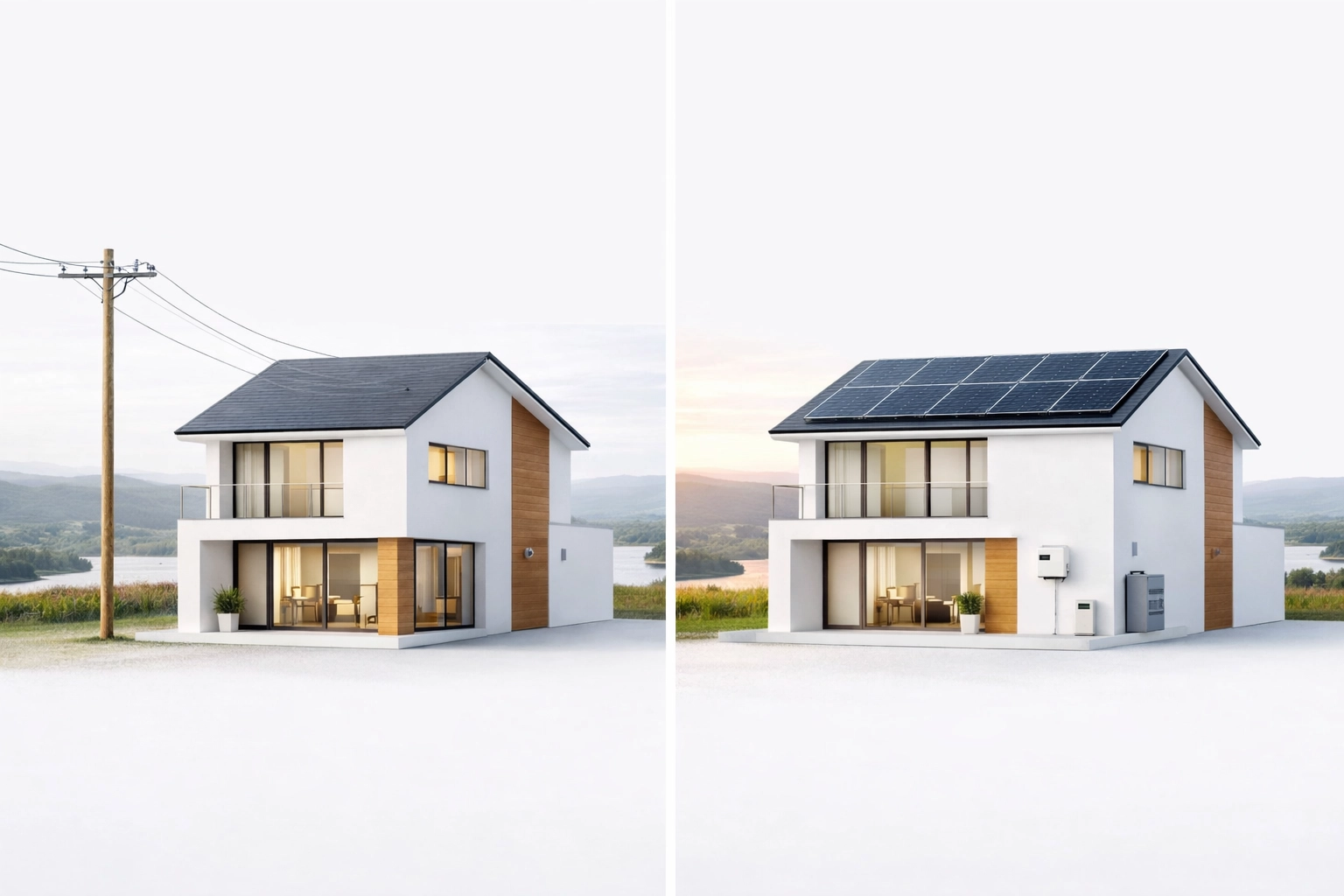
The 2026 Window: Why Now Is the Critical Moment
Here's the reality: these rate increases are happening right now. Con Edison's increases take effect in 2026. National Grid's 11.1% hike hits on April 1, 2026. NYSEG and RG&E customers are already experiencing their steep increases.
Every month you wait is another month of paying increasingly higher utility rates while your solar-equipped neighbors lock in their energy costs. Solar installation typically takes 2-4 months from initial consultation to system activation, which means homeowners who start the process now can begin generating their own power and protecting themselves from these rate increases before they compound further.
The compounding effect is what makes timing so critical. A 3.5% increase doesn't sound catastrophic. But when it's followed by another 3.2% increase the next year, and another 3.1% the year after that, you're looking at double-digit percentage increases over just a few years. And those increases are permanent: they become your new baseline that future increases build upon.
Taking Control of Your Energy Future
The pattern is clear and it's not changing: utility rates in New York are increasing significantly, and they'll continue increasing for the foreseeable future. You can accept this as an unavoidable expense and watch your bills climb year after year, or you can take control by generating your own power.
At RJD Solutions Inc, we help New York homeowners break free from unpredictable utility rate increases through professional solar installation. Our team specializes in designing systems that maximize your energy independence while providing reliable power for decades to come.
The 2026 utility rate increases aren't a future problem: they're happening right now. The question isn't whether you'll be affected by these increases (you will), but whether you'll take action to protect yourself before they compound even further.
Ready to explore how solar installation can shield you from New York's rising utility rates? Schedule a free solar consultation with our team to see exactly how much energy independence could mean for your home and your monthly expenses. We'll show you what your personalized solar solution looks like and how quickly you can start generating your own power instead of paying increasingly higher rates to utility companies.
Comments