49% Above Average: Why NY Residents Pay the 8th Highest Electric Rates in the Country

Have you opened your electric bill lately and wondered why New York residents seem to pay significantly more than most Americans? If so, you're not alone. According to the latest Empire Center Energy Data Bulletin released in January 2026, New Yorkers are paying electricity rates that are nearly 50% higher than the national average: and that gap shows no signs of closing.
The numbers are stark, and they demand attention. In this post, we will explore exactly where New York stands in the national electricity cost landscape, break down the specific factors driving these premium rates, and examine what this means for Hudson Valley and Westchester County homeowners who are watching their utility costs climb month after month.
The Numbers Don't Lie: New York's Premium Power Problem
As of late 2025, New York's average residential electricity rate sits at 26.49 cents per kilowatt-hour. To put that in perspective, the national average hovers around 17.78 cents per kWh: making New York's rates exactly 49% higher than what most Americans pay for the same electricity.
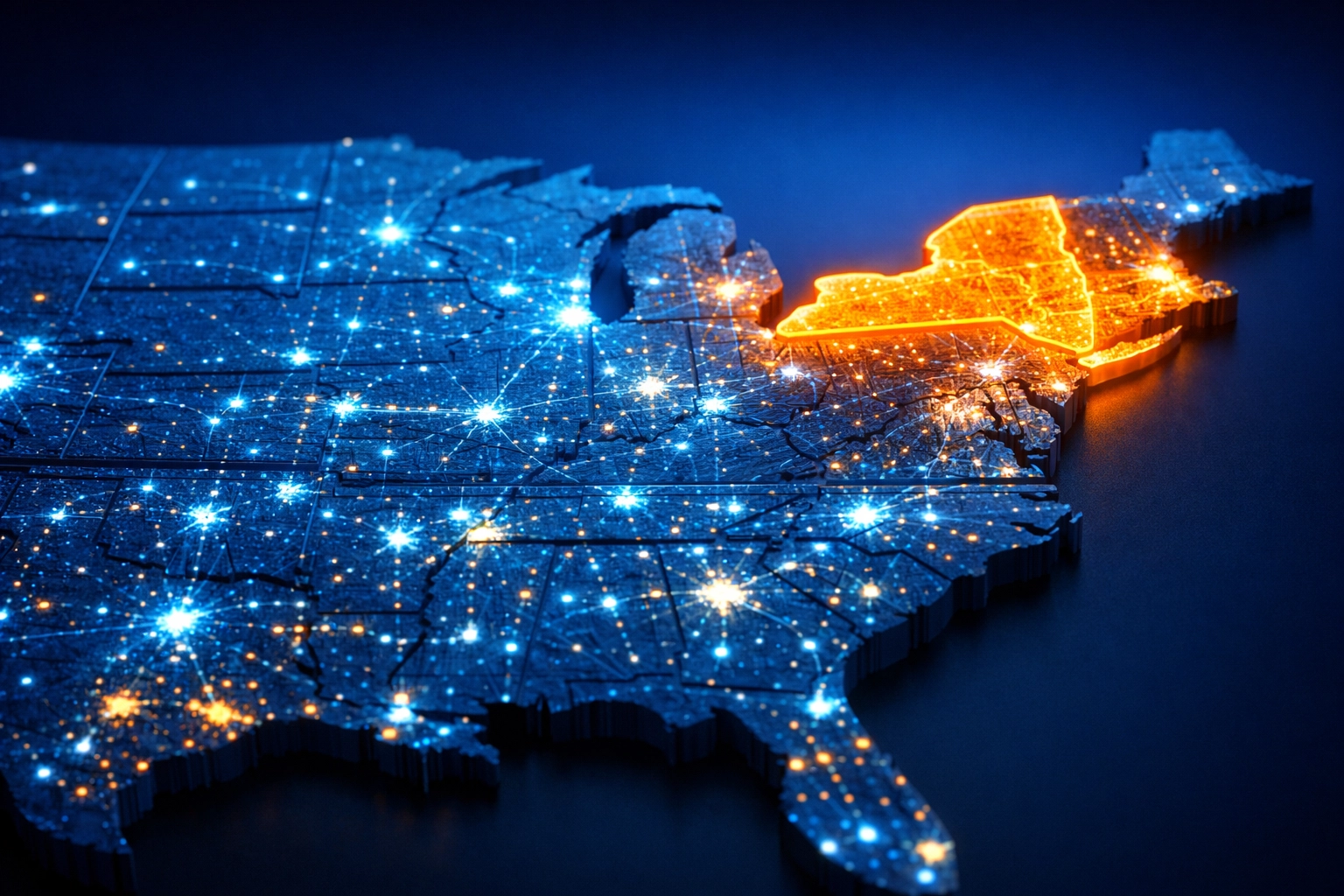
This premium pricing places New York as the 8th most expensive state for residential electricity in the entire country. That ranking isn't just a statistical curiosity: it represents real dollars flowing out of household budgets every single month. For a typical household using 900 kWh per month, that 49% premium translates to roughly $78 in additional monthly costs compared to the national average, or nearly $940 per year.
Interestingly, New York isn't alone in the regional cost crisis. Most neighboring New England states face even steeper rates, with New Hampshire at 27.37 cents per kWh and Connecticut at 27.02 cents per kWh. However, that company doesn't make the bills any easier to pay for New York families.
The Complex Web of Factors Driving Costs Higher
Understanding why New York's electricity costs so much requires looking at multiple interconnected factors. These aren't simple issues with simple solutions, but rather structural challenges built into how the state generates, transmits, and delivers power.
Aging Infrastructure and Constant Upgrades
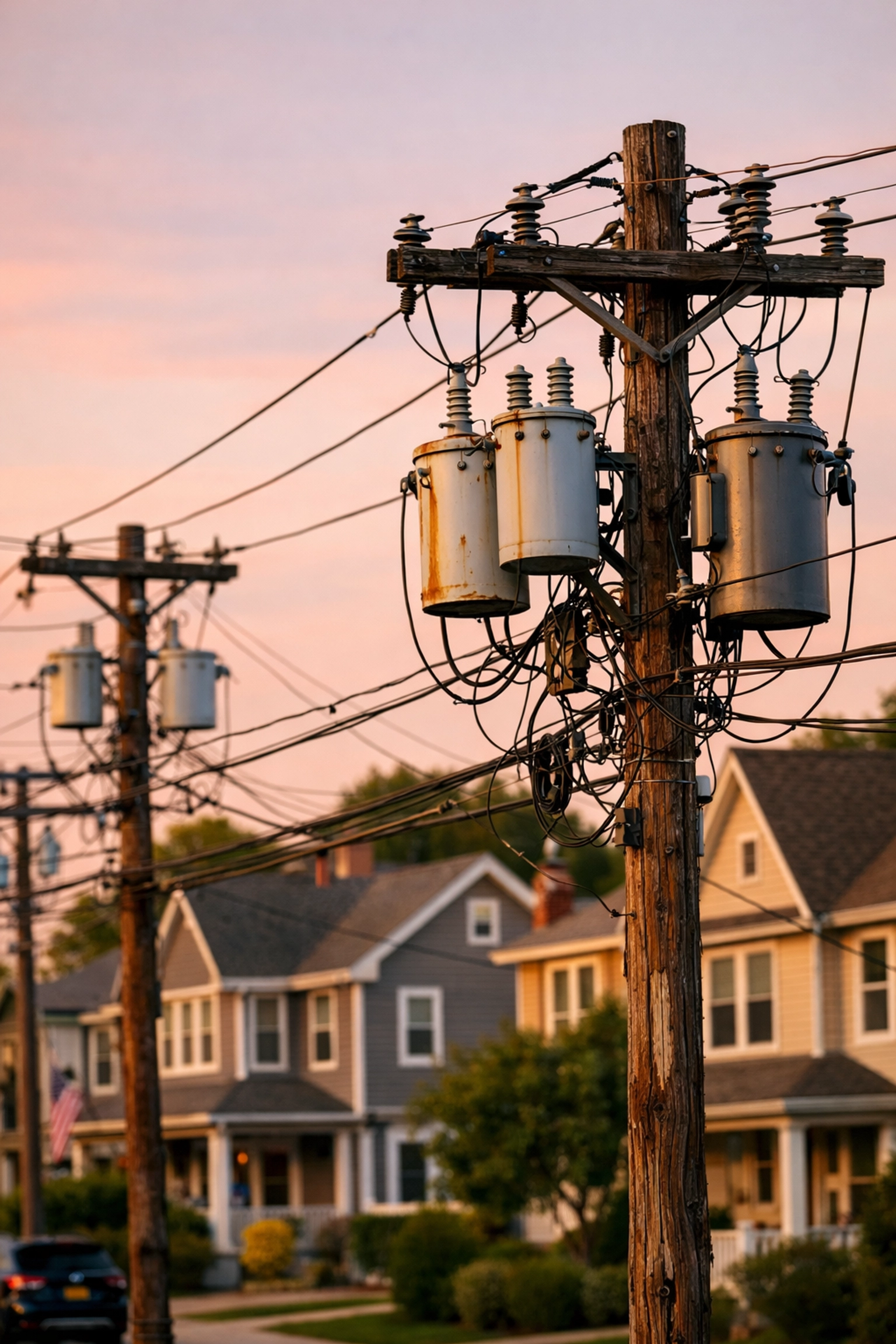
New York operates one of the oldest and most complex electrical grids in the nation. The infrastructure serving New York City, Westchester, and the Hudson Valley was built in layers over decades, creating a patchwork of systems that require constant maintenance, monitoring, and upgrading. Unlike states with newer, more standardized grid systems, New York's utilities must navigate aging equipment, outdated distribution networks, and the challenge of maintaining reliability across diverse geography.
Every upgrade, every modernization project, and every safety improvement gets factored into rate structures. Utility companies are authorized to recover these infrastructure costs through customer bills, creating a perpetual upward pressure on rates that homeowners ultimately bear.
High-Density Delivery Challenges
Delivering electricity in New York isn't like delivering it in rural Montana or suburban Texas. The state's high-density population centers: particularly in the downstate region: require intricate distribution systems with multiple redundancies and fail-safes. Underground lines cost significantly more to install and maintain than overhead lines, yet they're essential in urban and suburban environments.
The delivery charge component of your electric bill reflects these costs, and in New York, delivery charges often exceed the actual cost of the electricity itself. That's not a billing error: it's a reflection of how expensive it is to get power from generation sources to your home through New York's complex grid.
Natural Gas Price Volatility
Much of New York's electricity generation relies on natural gas-fired power plants. While natural gas burns cleaner than coal, its price volatility creates uncertainty in electricity costs. During peak usage periods: like the frigid February days we're experiencing right now in 2026: natural gas prices can spike dramatically, and those costs flow directly into electricity rates.
New York's position at the end of several natural gas pipeline systems means the state sometimes faces supply constraints that other regions don't experience, further driving up costs during high-demand periods.
The Deregulation Paradox
New York operates a deregulated electricity market, meaning customers can theoretically choose from dozens of energy suppliers beyond their local utility. The Empire Center data shows 103 providers operating in New York, with rates ranging from as low as 3.54 cents per kWh to as high as 39.34 cents per kWh.
However, deregulation hasn't delivered the consistent cost savings many advocates promised. Most residential customers still pay premium rates, and navigating the supplier marketplace requires time, attention, and expertise many homeowners simply don't have. The complexity of comparing offers, understanding contract terms, and avoiding predatory pricing schemes means many New Yorkers stick with their default utility supplier: and pay accordingly.
The Future Looks Expensive: Rate Increases Already Approved
If you're hoping electricity costs might stabilize or decrease, the approved rate schedules tell a different story. Con Edison, which serves New York City and Westchester County, has already received regulatory approval for rate increases extending through 2028.
The approved increases break down as follows:
2026: 3.5% increase
2027: 3.2% increase
2028: 3.1% increase
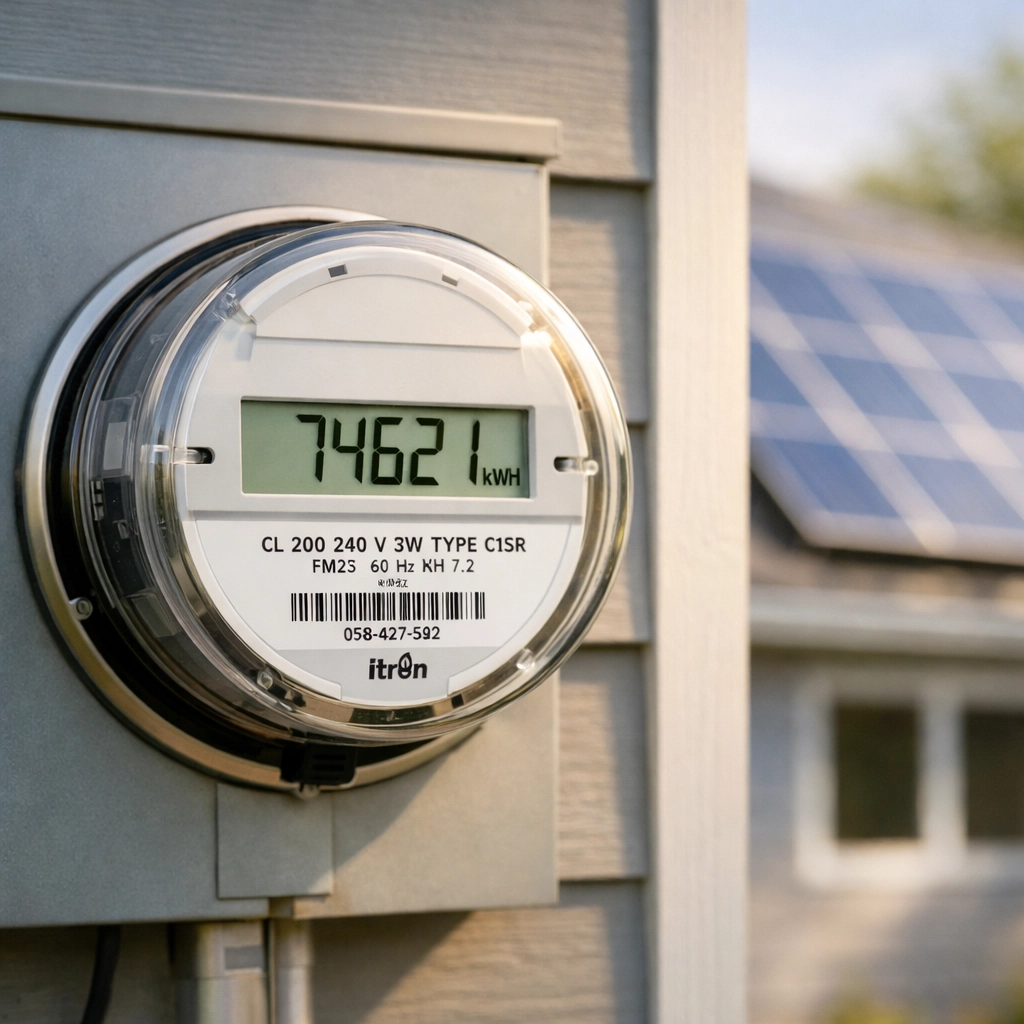
These three consecutive increases total approximately 9.8% over three years, ensuring that the 26.49 cents per kWh rate we're seeing today will climb steadily higher. For a household currently paying $240 per month in electricity costs, that 9.8% increase translates to an additional $23.52 per month by 2028, or about $282 per year in added costs.
These aren't isolated increases affecting only Con Edison customers. Similar rate pressures exist across utility territories throughout New York State, reflecting the broader infrastructure and operational cost challenges utilities face.
What This Means for Hudson Valley and Westchester Homeowners
For homeowners in our region, these numbers represent more than statistics: they represent a growing financial burden that compounds year after year. When you're already paying 49% more than the national average, each additional 3% increase hits harder than it would in states with lower baseline rates.
The compounding effect matters too. A 3.5% increase applied to New York's already-elevated rates represents more actual dollars than the same percentage increase applied to lower rates elsewhere. This creates a widening gap between what New Yorkers pay and what most Americans pay for the same essential service.
Moreover, the approved rate increases through 2028 represent only what's currently known. Additional infrastructure projects, regulatory changes, or market pressures could trigger further increases beyond what's already scheduled.
Taking Control: Options for Rate-Weary Homeowners
Understanding why rates are so high provides important context, but it doesn't pay the bills. For Hudson Valley and Westchester homeowners looking to take control of their electricity costs, several viable pathways exist.
Energy Efficiency Improvements: Reducing consumption remains the most immediate way to lower bills. Modern insulation, efficient HVAC systems, LED lighting, and smart thermostats can significantly reduce electricity usage, though they require upfront investment.
Solar Energy Systems: Installing solar panels allows homeowners to generate their own electricity, effectively locking in lower rates for 25+ years. With New York's elevated electricity costs, solar systems here achieve payback faster than in most other states. The same system that might take 12 years to pay for itself in a state with average electricity costs could pay for itself in 8-9 years in New York.
New York's net metering policies and solar incentives make solar installations particularly attractive for homeowners facing these premium rates. When you're paying 49% more than the national average for grid electricity, every kilowatt-hour you generate yourself represents substantial savings.
Strategic Energy Management: Understanding when and how you use electricity can reduce costs even without major equipment changes. Time-of-use rates, if available through your utility or supplier, allow you to shift consumption to off-peak hours when prices are lower.
The Bottom Line
New York's position as the 8th most expensive state for residential electricity isn't likely to change anytime soon. The structural factors driving costs: aging infrastructure, high delivery expenses, natural gas price volatility, and market complexity: aren't going away. With approved rate increases already scheduled through 2028, homeowners can expect the gap between New York rates and national averages to persist or even widen.
For Hudson Valley and Westchester residents, that 26.49 cents per kWh rate represents not just today's cost, but a baseline that will likely climb to 28-29 cents per kWh by 2028. Understanding these trends empowers homeowners to make informed decisions about energy efficiency investments, solar installations, and long-term energy planning.
The question isn't whether New York's electricity rates will remain high: they will. The question is what you'll do about it. If you're ready to explore how solar energy could offset these rising costs and provide long-term rate stability, we're here to help you understand your options.
Stay connected with RJD Solutions for more insights on energy costs and solar solutions:
📘 Follow us on Facebook: RJD Power Solutions
📸 Follow us on Instagram: @rjdpowersolutions
Comments